ayushjain

Tennessee Truck Breakdowns: Who Must Warn Drivers?

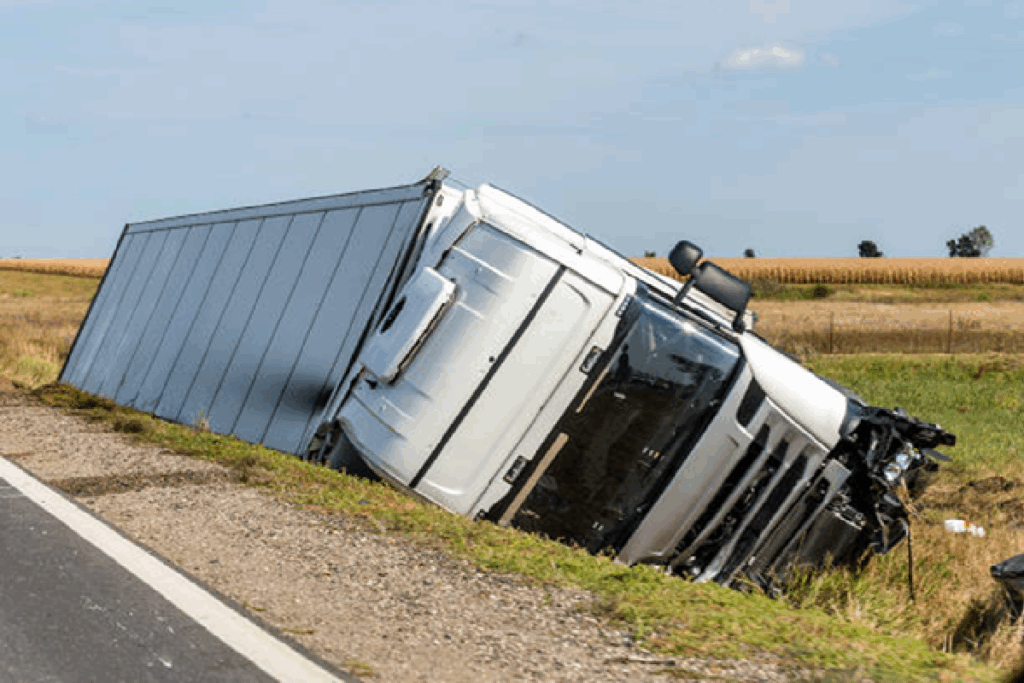
A commercial truck breaks down along Interstate 65 near Franklin, Tennessee, leaving its trailer partially exposed to approaching traffic. Minutes later, another vehicle collides with the stationary truck, causing serious injuries. Determining liability requires examining where the truck stopped, whether the driver provided adequate warnings, and whether the collision was reasonably preventable. Tennessee law and […]

Tennessee Truck Breakdowns: Who Must Warn Drivers? Read More »
Virginia Disability Appeals: Why the Record Matters

A Virginia employee develops a serious medical condition and stops working after years of paying for long-term disability insurance. Despite extensive treatment records, the insurance company denies benefits because its reviewing physician concludes that the employee remains capable of working. Under federal disability insurance law, the evidence submitted during an internal appeal often determines what

Virginia Disability Appeals: Why the Record Matters Read More »

Nevada Work-Related Crashes: When Two Claims Apply

A Las Vegas delivery driver suffers a serious injury when another motorist runs a red light. The collision happens during an assigned delivery, creating questions about workers’ compensation benefits and the negligent driver’s responsibility. Nevada law permits qualifying workplace accident victims to pursue workers’ compensation while separately seeking damages from a responsible third party. However,

Nevada Work-Related Crashes: When Two Claims Apply Read More »

Amityville Truck Crashes: Is the Owner Liable?

A commercial truck collides with a passenger vehicle in Amityville, leaving the injured driver facing substantial medical expenses. The truck operator works for a transportation company, but another business owns the vehicle, and a third company owns the attached trailer. Determining liability requires examining how New York law treats vehicle ownership, commercial leasing, and negligent

Amityville Truck Crashes: Is the Owner Liable? Read More »

Waterbury Slip-and-Fall Claims: Who Had Notice?

A customer slips on a wet floor inside a Waterbury grocery store and suffers a fractured wrist. Store employees insist they were unaware of the spill, while another shopper recalls seeing the same puddle several minutes earlier. Connecticut premises liability law makes the property owner’s knowledge of a dangerous condition one of the most important

Waterbury Slip-and-Fall Claims: Who Had Notice? Read More »

Fort Worth Pedestrian Crashes: Who Has the Right of Way?

A pedestrian crossing a Fort Worth intersection is struck by a turning vehicle, but the driver insists there was no painted crosswalk. Another collision occurs outside a shopping center where a motorist exits a parking lot without noticing someone approaching on the sidewalk. Texas pedestrian accident laws establish different right-of-way rules depending on the crossing

Fort Worth Pedestrian Crashes: Who Has the Right of Way? Read More »

California Dog Bites at Rentals: Is the Landlord Liable?

A tenant’s dog attacks a visitor inside an Anaheim apartment complex, leaving the injured person with serious wounds and unexpected medical expenses. The dog belongs to the tenant, but neighbors previously complained about its aggressive behavior to property management. Determining responsibility requires distinguishing the dog owner’s statutory liability from the circumstances that make a landlord

California Dog Bites at Rentals: Is the Landlord Liable? Read More »

NYC AI Hiring Discrimination: Who Is Responsible?

A qualified professional applies for a position at a New York City company and receives an automated rejection within minutes. The applicant meets the advertised requirements but never speaks with a recruiter. When artificial intelligence influences hiring decisions, employers remain responsible for complying with employment discrimination laws, even when outside software providers develop the screening

NYC AI Hiring Discrimination: Who Is Responsible? Read More »

Texas Crash Settlements: How Hospital Liens Work

A Houston driver suffers serious injuries in a collision and receives emergency hospital treatment. Months later, the insurance company offers a settlement, but the driver discovers that the hospital has filed a claim against the expected compensation. Texas hospital lien laws give qualifying healthcare providers rights to certain accident settlements, potentially reducing the amount an

Texas Crash Settlements: How Hospital Liens Work Read More »

Utah Bicycle Dooring Claims: Who Is Responsible?

A cyclist traveling through downtown Salt Lake City approaches a row of parked vehicles when a driver suddenly opens a car door. The cyclist strikes the door, suffers a shoulder injury, and requires emergency treatment. Determining liability involves more than establishing that the collision occurred because Utah law imposes specific duties on people opening vehicle

Utah Bicycle Dooring Claims: Who Is Responsible? Read More »