ayushjain

NYC AI Hiring Discrimination: Who Is Responsible?

A qualified professional applies for a position at a New York City company and receives an automated rejection within minutes. The applicant meets the advertised requirements but never speaks with a recruiter. When artificial intelligence influences hiring decisions, employers remain responsible for complying with employment discrimination laws, even when outside software providers develop the screening […]

NYC AI Hiring Discrimination: Who Is Responsible? Read More »

Texas Crash Settlements: How Hospital Liens Work

A Houston driver suffers serious injuries in a collision and receives emergency hospital treatment. Months later, the insurance company offers a settlement, but the driver discovers that the hospital has filed a claim against the expected compensation. Texas hospital lien laws give qualifying healthcare providers rights to certain accident settlements, potentially reducing the amount an

Texas Crash Settlements: How Hospital Liens Work Read More »

Utah Bicycle Dooring Claims: Who Is Responsible?

A cyclist traveling through downtown Salt Lake City approaches a row of parked vehicles when a driver suddenly opens a car door. The cyclist strikes the door, suffers a shoulder injury, and requires emergency treatment. Determining liability involves more than establishing that the collision occurred because Utah law imposes specific duties on people opening vehicle

Utah Bicycle Dooring Claims: Who Is Responsible? Read More »

Arizona Public-Entity Claims: The 180-Day Notice Rule

A Phoenix resident suffers an injury involving a city-operated facility and begins collecting medical records and witness statements. The resident assumes that Arizona’s ordinary personal injury deadline provides sufficient time to investigate the incident. However, civil claims against Arizona public entities involve special notice requirements that can bar an otherwise valid lawsuit within months. Understanding

Arizona Public-Entity Claims: The 180-Day Notice Rule Read More »

Off-Site Workplace Harassment: Who Is Responsible?

A company organizes an evening networking event where employees interact with supervisors, clients, and business partners. During the gathering, a manager makes repeated inappropriate remarks toward a subordinate, followed by unwanted messages after the event. The central legal question is whether conduct outside ordinary working hours creates employer liability under federal employment discrimination law. Workplace

Off-Site Workplace Harassment: Who Is Responsible? Read More »

Michigan Injury Claims: Why Insurance Deadlines Differ

A Muskegon driver suffers a serious injury in a collision and begins receiving medical treatment. The driver’s auto insurer handles medical expenses, while a separate claim against the responsible motorist addresses the injury’s long-term consequences. Michigan personal injury law distinguishes insurance benefits from negligence compensation, and the deadlines governing those claims are not identical. Understanding

Michigan Injury Claims: Why Insurance Deadlines Differ Read More »

Chicago DUI Arrests: The 46-Day License Deadline

A Chicago driver arrested for driving under the influence might expect to retain driving privileges until the criminal case reaches a verdict. However, Illinois law permits certain license suspensions to take effect long before a conviction. The most important early deadline often concerns the driver’s license rather than the criminal trial. Understanding how statutory summary

Chicago DUI Arrests: The 46-Day License Deadline Read More »

New York Car Accident Claims: Why Deadlines Differ

A Long Island driver suffers a serious injury in a collision and reports the accident to the insurance company. Medical treatment begins immediately, but the driver assumes that filing a lawsuit within three years will preserve every available claim. New York motor vehicle accident cases involve several independent deadlines, and meeting one does not automatically

New York Car Accident Claims: Why Deadlines Differ Read More »

North Carolina Domestic Violence: Two Legal Tracks

A Winston-Salem resident is arrested after an argument with a former partner. Within days, the resident receives notice of a civil protective-order hearing while a separate criminal case remains pending. The same incident can produce two proceedings with different rules, deadlines, and consequences, even when the underlying allegations are identical. A Protective Order Is Not

North Carolina Domestic Violence: Two Legal Tracks Read More »

Why Texas Truck Accident Trials Can Split in Two

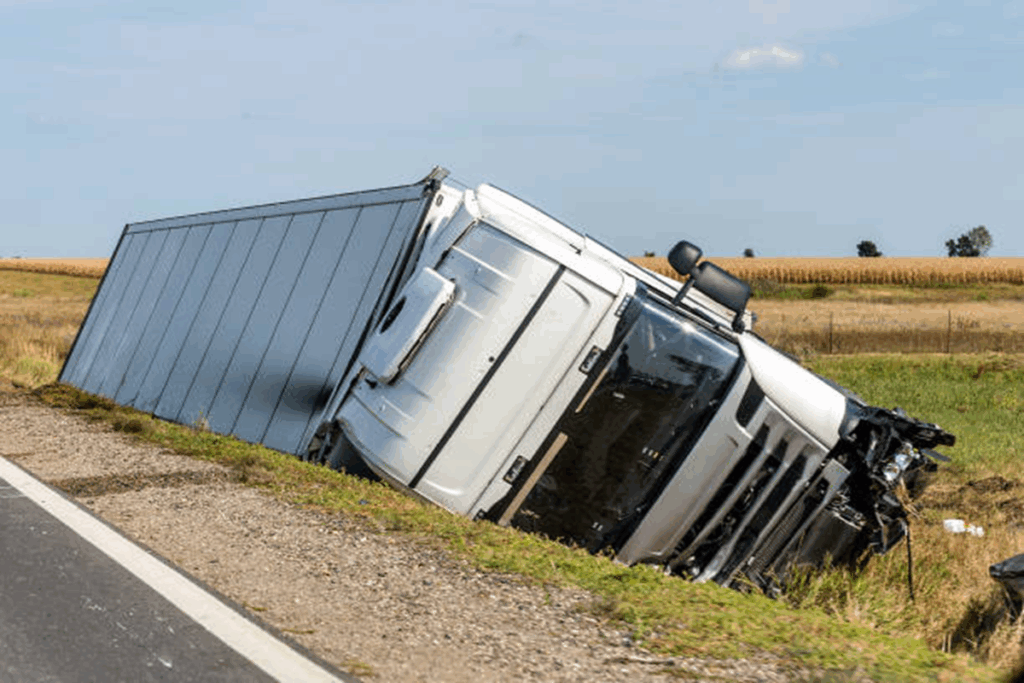
A serious truck collision on a Texas highway can involve a driver, a transportation company, and several competing explanations for what happened. While investigators examine braking, vehicle maintenance, and the driver’s decisions, a separate question shapes the lawsuit: which evidence will a jury hear, and when? Texas has special trial procedures that distinguish ordinary compensation

Why Texas Truck Accident Trials Can Split in Two Read More »