
Contents of this Post
ToggleCleveland drivers know the pattern. Cold air sweeps across Lake Erie, picks up moisture, and drops it in narrow bands of heavy snow. Visibility on Interstate 90 can go from clear to near zero within a mile.
For passenger cars, those conditions are dangerous. For a loaded tractor-trailer, they can be deadly. Trucks need far more distance to stop, and a jackknife on a slick overpass can block every lane in seconds.
Weather Is Not a Blanket Excuse
After a winter truck crash, it is common to hear that the snow was to blame. Weather certainly plays a role, but it rarely ends the question of responsibility.
Federal regulations expect commercial drivers to adjust to the conditions in front of them. A driver who keeps highway speed through a whiteout, follows too closely on ice, or ignores road closure warnings may still be at fault. People hurt in these crashes sometimes speak with the truck accident team at HMW Law or other counsel to sort out whether weather or driver conduct was the real cause.
The Federal Rule on Hazardous Conditions
Interstate truck drivers must follow 49 CFR § 392.14, which addresses hazardous conditions such as snow, ice, fog, and rain.
In plain terms, bad roads call for extreme care. A driver has to slow down, and once things get bad enough, the truck has to come off the road until conditions improve.
That standard is significant. It means a professional driver cannot simply blame the weather when the regulation required slowing down or pulling over.
Common Winter Crash Patterns
Several crash types appear repeatedly during Northeast Ohio winters:
- jackknife crashes caused by braking or accelerating on ice
- rear-end collisions when trucks cannot stop in time
- trailer swing that strikes vehicles in adjacent lanes
- multi-vehicle pileups in sudden whiteouts
Interstates 90, 77, and 480 see many of these crashes, particularly in the snowbelt communities east of the city.
Equipment and Maintenance
Winter driving puts extra strain on brakes, tires, and lighting. Worn tires lose traction quickly on snow, and brakes out of adjustment can lengthen stopping distances.
Inspection and maintenance records often show whether a truck was ready for winter conditions. A carrier that sends out poorly maintained equipment during a storm may share responsibility.
Who May Be Responsible
Liability in a winter truck crash can extend beyond the driver. Potential parties include the trucking company, the owner of the trailer, a maintenance provider, or, in some cases, a party responsible for road treatment.
Carriers can also be accountable for schedules that pushed drivers to keep moving through dangerous weather rather than wait out a storm.
Rear-End Crashes and the Lead Driver
Rear-end crashes are especially common on icy roads. Ohio law generally expects following drivers to keep an assured clear distance ahead, but circumstances can shift fault.
The Law Brigade’s article on Ohio rear-end crashes and when the lead driver may be liable explains how sudden stops, lane changes, and disabled vehicles can affect responsibility.
Ohio Fault and Deadlines
Ohio splits blame by percentage. A driver who carries half the fault or less can still collect, minus that share, while anyone past 50 percent recovers nothing.
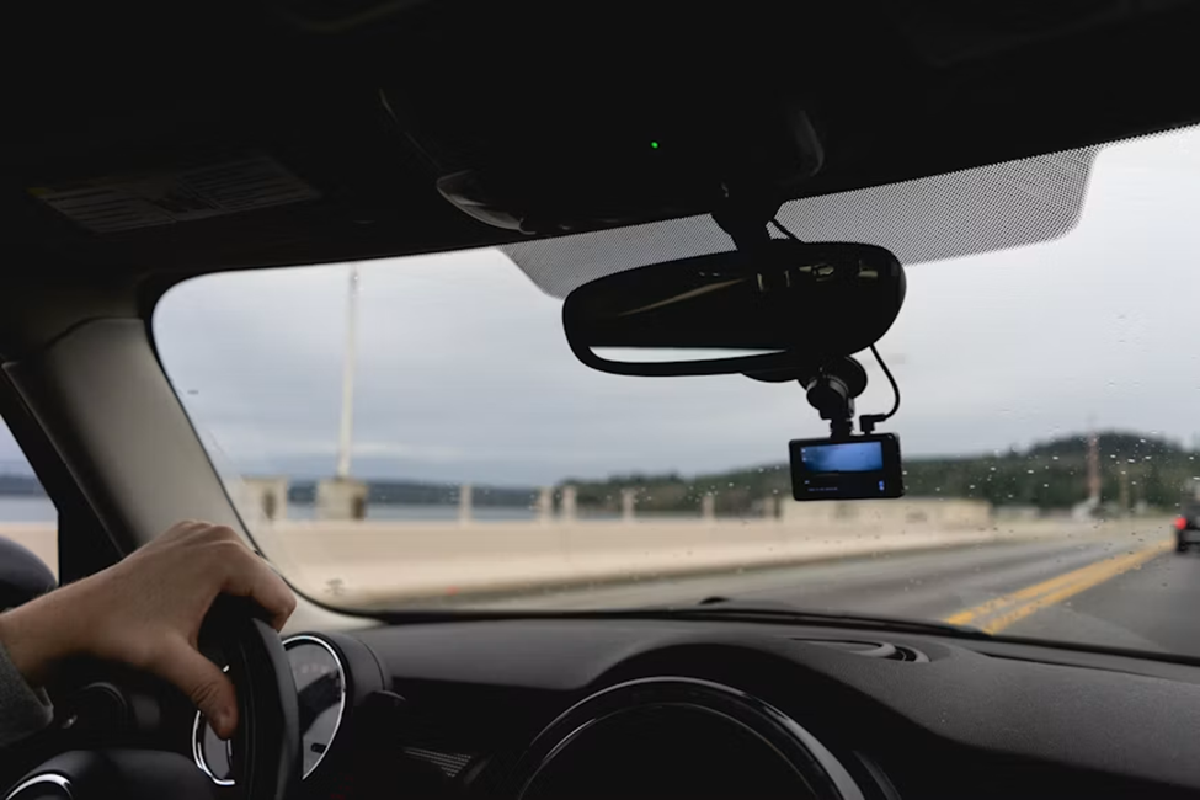
Most Ohio crash victims have two years from the date of the collision to bring a lawsuit in court. Evidence such as electronic logs and dash camera footage may be lost long before that, so early preservation matters.
Evidence Worth Gathering
After a winter truck crash, useful evidence includes:
- photographs of road conditions and vehicle positions
- the truck’s company name and DOT number
- weather reports and road closure notices
- names of witnesses and responding officers
Weather data can be especially valuable. It can show whether conditions were severe enough that a reasonable professional driver should have slowed or stopped.
Responsibility Still Applies in Bad Weather
Lake-effect snow is part of life in Cleveland. Federal rules recognize that and require truck drivers to adapt.
When a crash happens in bad weather, the question is not whether it snowed. The question is whether the driver and carrier responded to the conditions the way the law requires.
This article looks at winter truck crashes around Cleveland in general terms. It is not legal advice for any particular collision.