
Contents of this Post
ToggleA motorcycle crash can look straightforward from the roadside. A driver changes lanes without seeing a rider, a vehicle turns across a motorcycle’s path, or traffic stops suddenly, and there is nowhere safe to go.
What happens afterward is often less simple.
Motorcyclists face many of the same legal questions as anyone injured in a traffic collision, but there are some important differences. Insurance works differently, injuries are often more serious, and arguments about visibility, speed, road position, and protective equipment can quickly become part of a claim.
For riders in Fort Lauderdale and elsewhere in Florida, understanding those differences early can prevent assumptions from becoming expensive mistakes.
1. Do Not Assume Motorcycle Insurance Works Like Car Insurance
Florida drivers hear a great deal about Personal Injury Protection, or PIP. That can create confusion after a motorcycle crash.
Florida’s motorcycle rules are different from the insurance requirements that normally apply to passenger cars. The Florida Department of Highway Safety and Motor Vehicles motorcycle FAQ explains that insurance is not required simply to register a motorcycle, although financial-responsibility requirements can arise in particular circumstances.
FLHSMV also notes that PIP coverage under a personal passenger-vehicle policy is not sufficient coverage for a person riding on a motorcycle.
That means a rider should not automatically assume the medical-bill process will work the same way it did after a previous car accident.
For a Fort Lauderdale-specific discussion of these issues, guidance from a motorcycle accident lawyer from Blakeley provides additional information about motorcycle injury claims, insurance, fault, and compensation after a collision.
The actual coverage available will depend on the policies and vehicles involved, so reviewing the insurance documents matters.
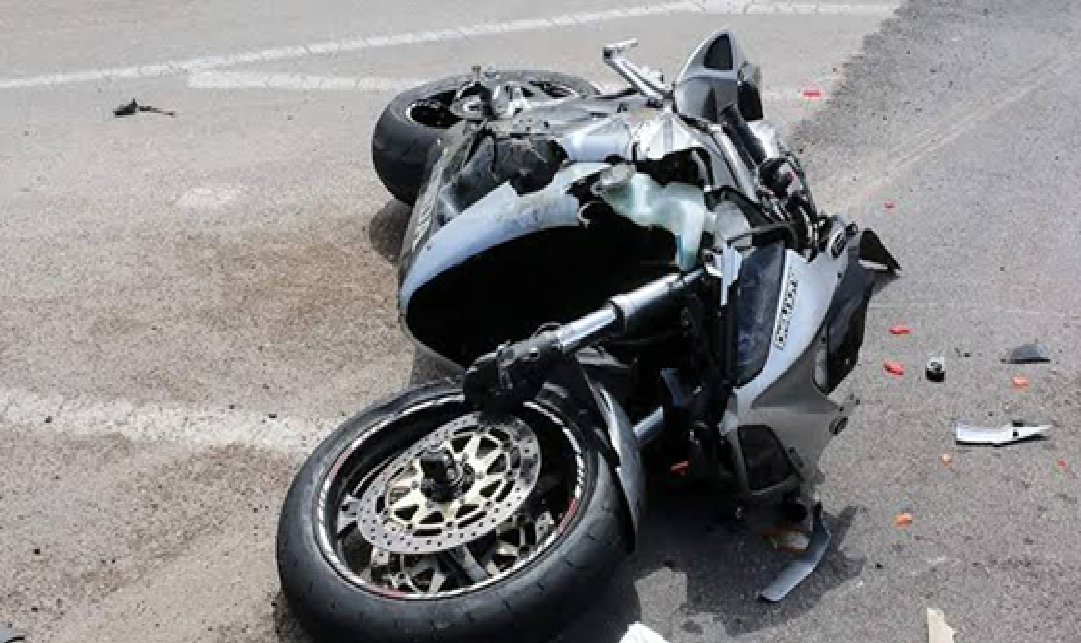
2. Preserve the Motorcycle Before Repairing It
After a serious crash, the motorcycle may look like little more than damaged property that needs to be repaired or replaced.
It can also contain useful evidence.
Scrapes, crushed components, broken lights, impact points, and other physical damage may help explain how the collision occurred. If liability is disputed, repairing or disposing of the motorcycle immediately can remove information that may have been useful later.
Photographs are a sensible first step. Take images from several angles if the motorcycle can be accessed safely. Damage to helmets, riding gear, and personal property may also be worth documenting.
The same applies to the crash scene. Lane markings, sight lines, traffic signals, debris, construction, or road defects can change quickly.
Florida’s Crash Portal also provides information about obtaining traffic-crash reports after law enforcement has investigated a collision.
Keeping a copy of the report, photographs, towing documents, and repair information in one place makes it much easier to reconstruct events later.
3. Take the Medical Side Seriously
Motorcyclists do not have a vehicle body, seat belt, or airbag surrounding them. Even a collision at a relatively modest speed can result in significant contact with another vehicle, the roadway, or a fixed object.
A rider may be dealing with fractures, road rash, head injuries, joint injuries, or damage to the back and neck. Some problems are immediately obvious. Others become more noticeable after the initial shock subsides.
Medical decisions should be based on health rather than on whether someone believes they have a legal claim.
It also helps to keep the paperwork. Medical records can document when symptoms were reported, what testing occurred, and whether follow-up treatment was recommended.
If injuries interfere with work, save wage information and communication with the employer as well. Lost income is much harder to reconstruct several months later from memory alone.
4. Expect the Rider’s Conduct to Be Examined
Even when another driver appears responsible, an insurer may still ask whether the motorcyclist contributed to the crash.
Was the motorcycle speeding? Where was it positioned in the lane? Was the rider following too closely? Could either party have avoided the collision?
Florida follows a modified comparative-fault system. Under Florida Statute § 768.81, damages in a covered negligence action can be reduced according to a claimant’s share of fault. A person found more than 50 percent responsible for their own harm generally cannot recover damages.
That makes accuracy important from the beginning.
A rider does not need to guess about speed, distance, or what another motorist could see. If something is uncertain, it is better to say so than to supply an estimate that later conflicts with video, vehicle data, or witness testimony.
5. Know What Florida Actually Requires Riders to Wear
Questions about helmets frequently come up after Florida motorcycle accidents.
The state’s rules are more specific than simply saying helmets are optional. Under Florida Statute § 316.211, motorcycle riders generally must use compliant protective headgear. A person who is at least 21 may qualify for the helmet exception when covered by an insurance policy providing at least $10,000 in medical benefits for injuries resulting from a motorcycle crash.
Florida also requires motorcycle operators to use approved eye protection. The FLHSMV motorcycle safety guidance provides a useful overview of the state’s equipment and riding requirements.
Whether a particular equipment issue affects an injury claim can depend on the circumstances. It should not be assumed that one fact automatically determines fault for the collision itself.
6. Do Not Let Insurance Discussions Distract From the Deadline
A claim can feel active for months.
An adjuster may request records. The motorcycle may still be under evaluation. Medical treatment may continue. Settlement discussions might begin.
None of that automatically stops a legal filing deadline.
Florida’s statute of limitations generally provides two years for an action founded on negligence.
Different circumstances can involve different rules, particularly when a government agency or another specialized defendant is involved. A general article should therefore never be used to calculate the final filing date in a particular case.
There is a practical deadline too. Surveillance recordings can be overwritten, witnesses move, and physical evidence disappears. Waiting may create problems long before the statutory period expires.
Motorcycle Claims Depend on Details
There is no rule that every motorcycle collision produces a successful personal injury claim.
Sometimes another driver’s negligence is clear. In other cases, both sides dispute speed, visibility, lane position, or who had the right of way. Insurance coverage may introduce another set of questions.
The useful first steps are much less dramatic than determining what a case might eventually be worth.
Take care of injuries. Preserve the motorcycle and other available evidence. Obtain the crash report. Keep records of expenses and missed work. Be accurate about what happened, especially when something is uncertain.
Those steps do not decide liability.
They simply preserve the information needed to understand the collision before important details have been repaired, forgotten, or lost.
This article provides general information about Florida law and is not legal advice for an individual case.