

A regional crash pattern says little about what actually happened at your Miami intersection. Florida crash data might list a dozen similar collisions on that same stretch of road. Every one involved somebody else. Your claim lives or dies on evidence connected to your collision and the harm that followed. Scanning Miami-Dade crash records in September 2026? Keep that line in mind: it draws a boundary between live traffic alerts and finished investigations into one specific crash.
Photographs, video, witness accounts, police documentation, medical and billing records, wage records, vehicle data: each can strengthen the claim. Florida crash data supplies regional context, full stop. It can’t establish who caused your crash or prove any single claimant’s injuries and damages.
What Florida Crash Data Can and Cannot Prove
Aggregate statistics describe patterns, not individual fault
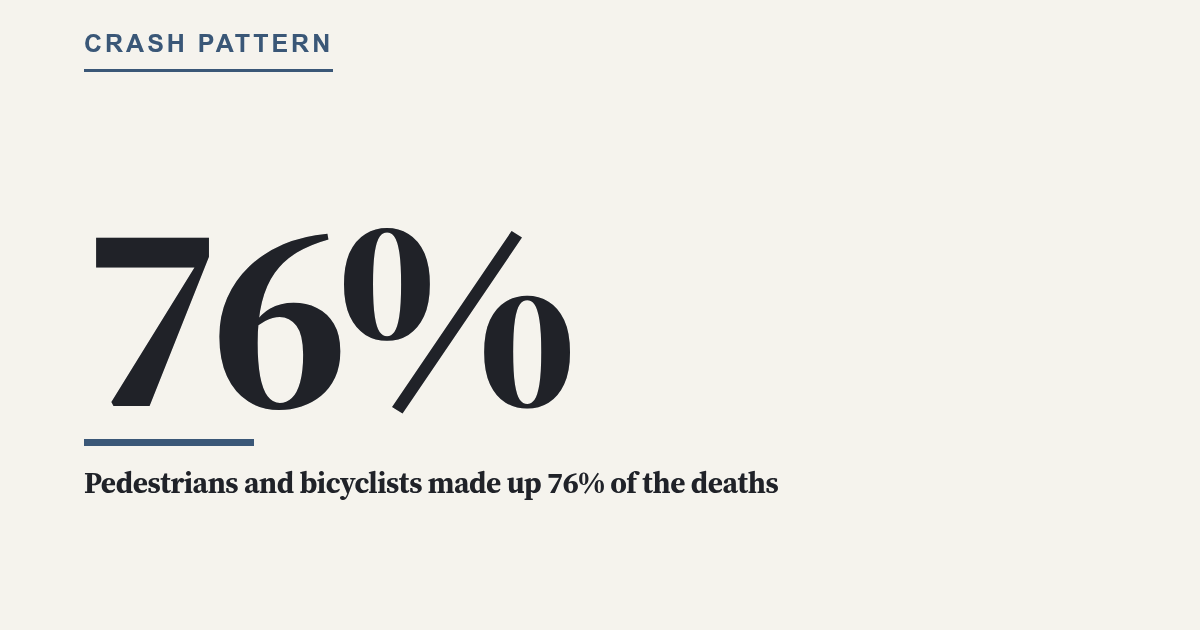
Statewide and county datasets tally crash volume and locations. They sort road users into categories and track shifts over time. The Florida Department of Highway Safety and Motor Vehicles counted 105,092 hit-and-run crashes in Florida during 2023. Those crashes killed 271 people. Another 871 with serious bodily injuries. Pedestrians and bicyclists made up 76% of the deaths.
Figures like these don’t show how your Miami collision happened or who breached a duty of care. They don’t tie your injuries to it, and they don’t document your financial losses.
Regional context versus evidence tied to one collision
Regional numbers do have a place in a claim file. The Soffer Firm’s Live Florida and Miami-Dade Crash Data page puts the regional figures next to an explanation of how Florida’s comparative-fault rule, PIP coverage, and uninsured motorist protection shape an actual claim. Useful background, yes. But the figures won’t establish negligence or prove medical causation and damages.
Why a pattern may still matter
A cluster of intersection crashes can warrant a closer look at signal timing or roadway design. Maintenance records may reveal a malfunction that keeps coming back. Construction records could explain a hazard that was temporary. Nearby surveillance merits a look too. Still missing, though, is the direct link: did that condition play a part in the collision at issue?
Police Reports Are Useful Records, but Their Role Has Limits
What an investigating officer may document
The report notes the crash date, the location, and vehicle and insurance details. Sometimes it includes a diagram, witness information, citations. Read what the officer personally observed apart from accounts other people supplied. An officer arriving after impact pieces events together from physical evidence and interviews; the crash itself went unseen.
Florida’s 60-day confidentiality period
Florida Statutes § 316.066 sets the following access framework:
- Crash reports with identifying information stay confidential for 60 days after filing.
- A few recipients can obtain copies inside that window: involved parties and their legal representatives, insurers, and some governmental and media requesters.
- After day 60, reports generally become public records, subject to redactions and standard access requirements.
Are Florida crash reports public records?
Yes. Once the 60-day window closes, a Florida crash report is generally a public record. During the window, section 316.066 shields identifying information but lets authorized recipients through. Public availability and courtroom admissibility are separate questions.
A report is not the same as admissible proof at trial
Section 316.066(4) restricts trial use of reports made by involved people and of statements made for statutory reporting purposes. That shield doesn’t extend to everything. An officer’s own observations get a separate analysis. Independently obtained accounts and authenticated photographs must clear the ordinary evidence rules, but they aren’t covered by the statute.
A citation does not decide civil fault.
Scene Evidence Can Reconstruct How the Collision Occurred
Photographs and video
Wide shots capture final vehicle positions plus nearby businesses and cameras. Closer frames show impact points and crush patterns. Roadway images should document skid marks, debris, traffic controls, and lane markings at any distance to establish what a driver could see. Weather and lighting shaped visibility at the moment of impact. Photograph visible injuries too.
Original files carry timestamps and metadata. A crop can quietly drop context, like a signal just outside the frame.
Independent witnesses and involved occupants
An independent witness has no stake in the outcome the way a driver or passenger does. Independence doesn’t guarantee accuracy. Weigh where they stood, what they could see, and how their account lines up with the physical evidence. A witness who swears the other driver ran a red light loses to footage showing otherwise.
Vehicle damage and event data recorders
Crush patterns and impact location help establish travel direction and collision sequence. An event data recorder can add pre-crash and crash information: speed, braking, whatever the unit recorded. Each vehicle stores a limited set of fields. Retrieval takes specialized equipment, technical interpretation, and lawful access to the car.
Digital and third-party records
Dashcams and business surveillance sometimes catch the impact itself. Traffic cameras exist, but many don’t record or retain anything. Rideshare and toll records can pin down timing; phone records can show device activity. Act fast, because some of this material gets overwritten within days. Obtain consent or appropriate legal process before accessing another person’s account or device.
Medical and Financial Records Connect the Crash to Claimed Damages
Medical records address diagnosis, treatment, and causation
Emergency records and physician notes document symptoms and treatment timing. Imaging can identify structural findings; specialist evaluations and therapy notes describe restrictions. Prescriptions document medication orders. A bill states an amount charged. The clinical chart explains the treatment. Neither proves that every condition traces to the collision.
Earlier records matter when an insurer disputes when symptoms began. Florida Civil Jury Instruction 501.5(a) covers aggravation of pre-existing conditions, so a prior diagnosis doesn’t sink a claim by itself.
PIP documentation has timing and coverage implications
Florida’s personal injury protection rules make treatment dates and clinical findings decisive for whether medical expenses qualify for benefits. Covered services and policy terms matter too, so a policy’s stated limit isn’t a guaranteed payment. Keep records showing when treatment happened and what care you received.
Wage and employment records document economic losses
Pay statements and tax documents establish earnings history. Attendance records and employer confirmation should line up with medical work restrictions and the claimed absence dates. Past lost wages cover earnings already missed. Future earning-capacity claims need their own foundation, which can include occupational analysis and medical or economic opinions about lasting limitations.
Personal documentation can supply missing detail
A contemporaneous journal records specific difficulties, like needing help dressing after an appointment. An appointment calendar and prescription log add dates; receipts document purchases. Specific entries carry more weight when they’re consistent with independent records. “Could not lift the grocery bag” beats “bad day” every time.
How Insurers and Attorneys Compare Conflicting Records
Consistency matters more than volume
A thick file isn’t a persuasive one. Reviewers compare timestamps against accounts and damage patterns, then read recorded statements beside medical histories. A witness describing a red-light violation looks credible when synchronized video aligns with their account and the vehicle positions. A timestamp showing that witness arrived after impact undercuts the same account.
What Florida’s 51% rule means
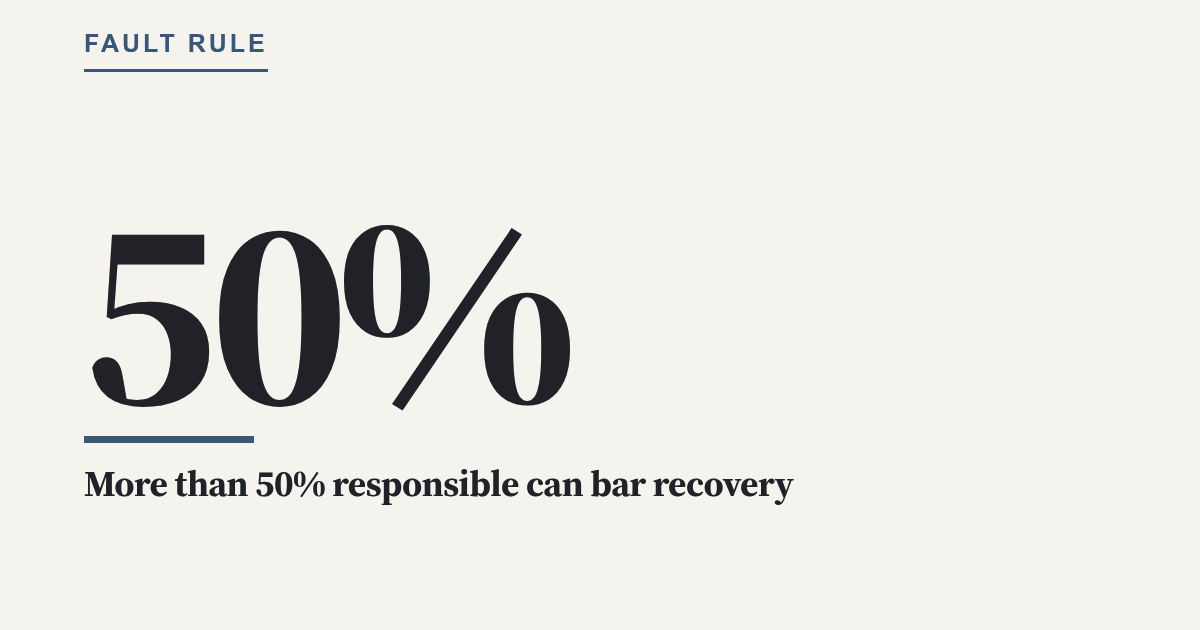
Under Florida Statutes § 768.81, a claimant found more than 50% responsible generally can’t recover in negligence actions governed by Florida’s modified comparative-fault rule. At 50% or less, recovery survives, but damages shrink by the claimant’s share of fault. Statutory exceptions come first.
Evidence can address liability and damages
Florida Civil Jury Instructions 401.4 and 401.12 address negligence and legal cause; instruction 501.2 addresses damages. The table below is a quick reference for what each record type does and where it falls short. Its weight rests on authenticity, completeness, timing, and admissibility.
| Record type | Main issue it may address | Potential strength | Important limitation |
|---|---|---|---|
| Aggregate crash statistics | Regional context | Shows recurring patterns and crash frequency | Does not prove facts about one collision |
| Police report | Basic event documentation | Identifies parties and witnesses alongside observations and reported facts | May contain disputed accounts and legally restricted statements |
| Photographs or video | Collision mechanics and conditions | Preserves visible details close to the event | Camera angle, timing, or edited or missing footage may limit meaning |
| Witness account | Conduct before or during impact | Can describe events cameras missed | Perception and memory may be challenged; personal interests may affect accounts |
| Vehicle data | Speed, braking, or event sequence where recorded | May provide time-specific technical information | Each vehicle records a limited set of fields |
| Medical records | Injury, treatment, and causation | Documents clinical findings and treatment chronology | Prior conditions and gaps in care may become disputed |
| Wage and billing records | Economic damages | Provides dated financial documentation | Records must connect the loss to the crash and claimed injury |
Gathering Evidence After a Miami-Dade Collision
- Address immediate safety and medical needs. Contact emergency services when needed and follow medical instructions.
- Preserve the scene when it’s safe. Photograph vehicle positions and damage, then roadway conditions and controls. Document visible injuries without delaying care.
- Exchange identifying and insurance information. Record accurate details without arguing about fault.
- Identify witnesses and nearby cameras. Collect contact information and note nearby properties or vehicles that might hold recordings.
- Obtain the crash report through the authorized process, following the confidentiality and eligibility rules described above.
- Keep original digital files. Retain full-resolution photographs and video, plus relevant messages and device information.
- Organize medical and financial records. Keep appointment information with bills, wage documentation, mileage records, and related correspondence.
- Request time-sensitive material promptly. Surveillance footage and electronic records get overwritten under ordinary retention practices.
Which evidence should you prioritize?
Protect what can vanish first: scene photographs, witness contacts, surveillance recordings, damaged property, and electronic vehicle data. Medical and financial records document the injury and losses that follow. Ask record holders about retention early, without delaying emergency treatment.
Preserve originals, not only summaries
Originals matter. A screenshot or forwarded image can lose metadata; a typed summary can drop surrounding statements. Keep the original plus a separate backup. Don’t adjust contrast or crop to emphasize a detail; store the unaltered file.
Looking Up Florida Accidents and Current Traffic Incidents
How can you look up a Florida accident?
Request a completed report through Florida’s authorized crash-report system using the report number or crash date. Location and involved-party details help too. The 60-day rules above govern early access. Reports document one specific reported collision; dashboards show patterns and totals.
Can a database verify a Florida Turnpike crash today?
A historical dashboard can’t reliably confirm a crash from today or its severity. For current Turnpike information, check the official Florida 511 traffic incident system or a responding agency’s release. Preliminary entries change as responders investigate. A live incident entry doesn’t prove civil fault.
Can crash data identify a family killed on the Turnpike?
Aggregate crash data doesn’t name victims. “The family killed on the Florida Turnpike” points to no specific event without a date and location. Names come from an official law-enforcement release or the medical examiner, after next-of-kin notification, never from a statistical dashboard or a social-media post.
Where should readers verify reports of a Tampa crash last night?
Pin down the date and location, then check the responding local agency or a Florida Highway Patrol release. “Last night” identifies nothing on its own. Overnight reporting shifts as officials confirm identities, contributing circumstances, or charges.
Strong Claims Depend on Records That Answer the Right Question
Every record in this guide does one job: it links a specific fact about your collision to negligence, causation, or damages. Statistics set the scene. Physical evidence reconstructs the event. Medical and financial documentation ties the harm to the crash. When the file tells one coherent story and its pieces corroborate each other, the claim carries defensible weight. When records clash, deal with the conflict head-on, because the other side certainly will.