
Contents of this Post
ToggleBig rigs haul oilfield gear and liquid fuel across busy highways every day. When a flatbed drops its load or a tanker leaks, flying metal and slick roads put nearby drivers in danger. Federal safety rules set strict codes for hauling heavy freight and toxic liquids. Knowing how these laws work helps crash victims see who must pay for their losses.
High Risks on West Texas Oilfield Routes
Heavy drilling rigs, sand trucks, and crude tankers fill the highways around Midland every day. People hurt in these violent wrecks often talk to a Midland Oilfield Truck Accident Lawyer to sort out complex insurance claims. Local roads carry non-stop oilfield traffic, putting everyday drivers at risk when a load shifts.
Long shifts and tight schedules push drivers to rush through safety checks. A quick walk around a rig can miss a worn strap or a loose valve. At highway speeds, one small flaw can send cargo spilling across lanes.
Federal Rules for Tanker Spills and Hazmat Loads
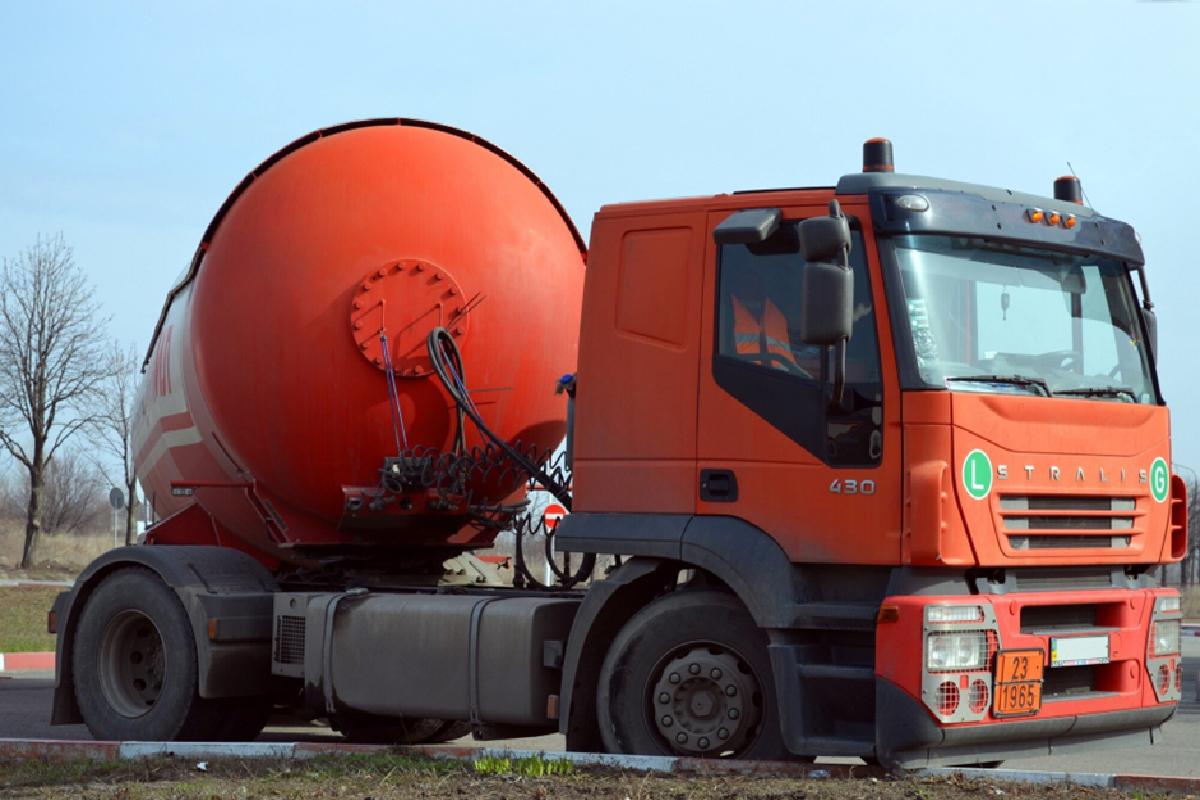
Hauling fuel and toxic chemicals takes far stricter care than moving normal retail freight. Oil tanker claims often involve federal motor-carrier rules and hazmat laws that do not apply to standard freight. These codes govern tank strength, shutoff valves, warning signs, and driver training.
How Hazmat Rules Shape Fault
Carriers that haul dangerous liquids must carry much higher insurance limits than regular freight lines. Crash teams check shipping papers, tank logs, and route permits after a spill. Any gap in safety gear or training gives victims strong proof of fault.
Cargo Rules for Heavy Oilfield Gear
Flatbeds hauling steel pipes, pumps, and generators must obey federal tie-down rules. Under these safety laws, the combined strength of all tie-downs must equal at least 50% of the cargo weight. Crews must use rated chains, thick straps, and friction mats to keep heavy gear in place.
Roadside inspectors check four key items on flatbed loads:
- Strap ratings: Chains and webs must show clear weight tags with no cuts or burns.
- Anchor points: Trailer rails and winches need strong welds to hold heavy loads during hard stops.
- Pipe cradles: Round drill pipes need solid blocks or chocks so they cannot roll sideways.
- Route checks: Drivers must stop within the first 50 miles to check and tighten loose gear.
Proving Fault After a Commercial Truck Wreck
Large truck crashes stay a major threat on busy industrial roads. Crash records show Midland County had 45 traffic deaths in 2025, and 11 of those deaths involved a commercial truck. Proving fault after a deadly wreck takes fast action before key logbooks and truck data vanish.
Shared Blame Behind a Single Haul
Legal blame for a cargo spill rarely stops with the truck driver alone. A loading crew may have stacked pipes poorly, or a repair shop may have missed a bad tanker seal. Freight carriers face direct claims for poor hiring or skipped repairs too.
Protecting Your Rights After a Spill or Cargo Crash
Federal cargo and tanker rules exist to keep dangerous freight secure on public roads. When freight firms cut corners on tie-downs or tank care, innocent drivers pay the price – from steep hospital bills to lost pay. If a truck crash or cargo spill has hurt you or a loved one, reach out to a skilled attorney today to review your legal options.