
Contents of this Post
ToggleThe moments after an accident are often filled with confusion, stress, and uncertainty. Whether the incident involves a passenger vehicle, commercial truck, motorcycle, or another type of accident, the decisions made in the aftermath can have a lasting impact on insurance claims and potential legal proceedings. One of the most important aspects of protecting your rights is gathering and preserving evidence as early as possible.
Evidence helps establish what happened, identifies who may be responsible, and supports claims for compensation. Without reliable documentation, it can become much more difficult to prove liability, especially when different parties provide conflicting accounts of how the accident occurred.
Why Evidence Is So Important
Evidence serves as the foundation of any accident investigation. Insurance companies, legal professionals, and, when necessary, courts rely on factual information rather than assumptions when determining responsibility.
Strong evidence can:
- Demonstrate how the accident occurred
- Identify contributing factors
- Support medical injury claims
- Verify financial losses
- Strengthen negotiations with insurance companies
- Help resolve disputes more efficiently
The more comprehensive the available evidence, the easier it becomes to present a clear and accurate picture of the incident.
Take Photographs Immediately
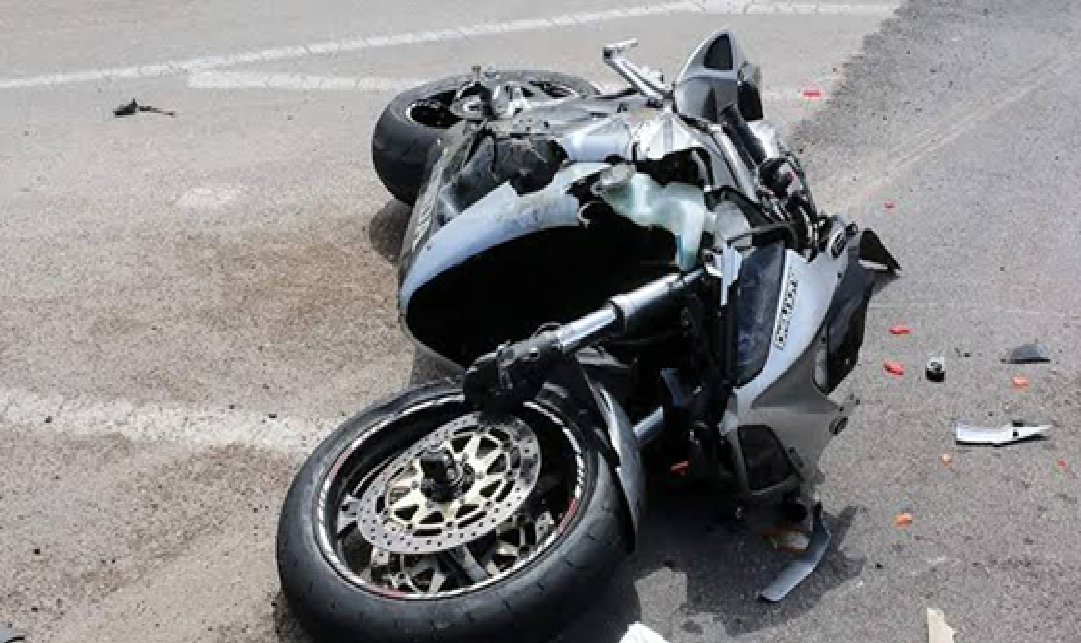
If your injuries allow and it is safe to do so, take photographs of the accident scene before vehicles are moved or conditions change.
Useful photographs include:
- Vehicle positions
- Damage to all vehicles
- Road markings and traffic signs
- Weather and lighting conditions
- Skid marks and debris
- Visible injuries
- Surrounding property damage
These images provide valuable context that may not be fully captured in written reports.
Obtain Witness Information
Independent witnesses can play a critical role in supporting an accident claim. Individuals who observed the collision may provide unbiased accounts that help clarify disputed facts. Collect the names and contact information of anyone who witnessed the accident. If they are willing, ask them to briefly describe what they saw while the events are still fresh in their memory. Witness testimony often becomes particularly valuable when liability is contested.
Legal Guidance Can Help Protect Evidence
Some accidents involve complicated legal issues, particularly those involving commercial trucks, multiple vehicles, catastrophic injuries, or disputed liability. In these situations, consulting an experienced Miami truck accident lawyer can help ensure that important evidence is preserved, additional investigations are conducted when necessary, and your legal rights are protected throughout the claims process. Early legal guidance may also assist in obtaining surveillance footage, vehicle maintenance records, driver logs, and other evidence that may not remain available indefinitely.
Contact the Appropriate Authorities
Reporting the accident creates an official record that may later support your claim. Depending on the circumstances, this could involve local law enforcement, emergency services, or other relevant authorities. Request a copy of any police or incident report once it becomes available. These reports often contain important details regarding the accident scene, involved parties, and responding officers’ observations.
Preserve Physical Evidence
Do not immediately repair damaged vehicles or dispose of damaged personal belongings until they have been properly documented. Items such as damaged clothing, helmets, vehicle parts, or safety equipment may provide valuable information during an investigation. Keep repair estimates, invoices, and photographs taken before repairs begin. Preserving this evidence can strengthen your position if questions arise later.
Keep Organized Records
Good record-keeping is one of the simplest ways to support an accident claim.
Maintain copies of:
- Medical records and bills
- Police reports
- Insurance correspondence
- Repair estimates
- Rental vehicle expenses
- Lost income documentation
- Photographs and videos
- Witness contact details
Organizing these materials in one location makes it much easier to provide information when requested.
Final Thoughts
Although the aftermath of an accident can feel overwhelming, acting promptly to gather and protect evidence places you in a much stronger position when dealing with insurance companies or legal claims. Careful documentation not only supports your case but also helps ensure that decisions are based on accurate facts rather than uncertainty or conflicting accounts.