
Contents of this Post
ToggleLate December is one of the busiest — and most dangerous — times of year on Utah roads. Holiday travel, last-minute shopping, and increased commercial deliveries all contribute to heavier traffic. For truck drivers, this seasonal surge combines with winter weather conditions such as snow, ice, and reduced visibility, creating a higher risk of accidents. Understanding how to prepare, how to respond after a crash, and how different decisions can affect your future is essential for protecting both your livelihood and your well-being.
Why Accidents Increase During the Holidays
During the final weeks of December, Utah’s highways experience a significant increase in vehicle traffic. Passenger cars driven by holiday travelers mix with delivery vans and long-haul trucks rushing to meet end-of-year deadlines. Winter storms can arrive quickly, creating black ice, snow-packed roads, and sudden whiteout conditions, particularly in mountain corridors and rural areas.
For truck drivers, the challenge is not only managing a large vehicle in these conditions but also dealing with unpredictable behavior from other drivers who may be distracted, fatigued, or unfamiliar with winter driving. This combination increases the likelihood of accidents — even for experienced professionals.
Preventive Measures Before You Drive
Preparation plays a critical role in accident prevention. Before starting a route during winter conditions, truck drivers should:
- Conduct a full vehicle inspection, paying special attention to brakes, tires, lights, and windshield visibility.
- Ensure compliance with Utah’s traction requirements when winter conditions demand chains or approved traction devices.
- Monitor weather forecasts and road conditions, adjusting routes or schedules if necessary.
- Reduce speed and increase following distance, allowing more time to stop on icy roads.
Taking these precautions may slow delivery times, but they significantly reduce the likelihood of a crash — and the serious consequences that follow.
Immediate Steps After a Truck Accident in Utah
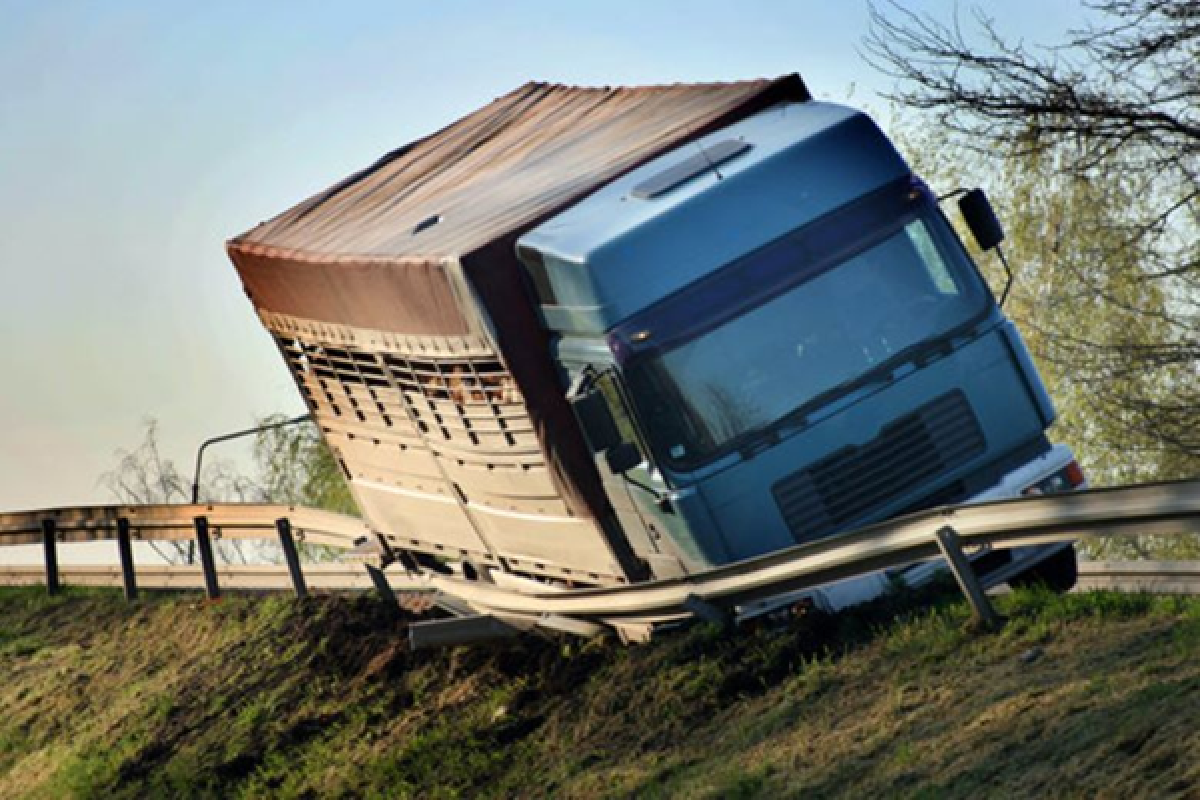
Even with proper preparation, accidents can still occur. If you are involved in a truck accident while working in Utah, your actions in the minutes and hours afterward matter.
- Prioritize Safety
Check yourself and others for injuries and call 911 immediately. If the vehicle is creating a hazard and can be moved safely, follow instructions from emergency services. Otherwise, remain at the scene with hazard lights activated. - Follow Utah Reporting Laws
Accidents involving injuries, fatalities, or property damage must be reported to law enforcement. Failing to report an accident can result in serious legal consequences, including fines or criminal charges. - Document the Scene
Exchange information with other drivers, including names, insurance details, and employer information. Take photographs of vehicle damage, road conditions, traffic signs, and skid marks. Collect witness contact information if possible. Avoid admitting fault or making speculative statements about what caused the accident. - Notify Your Employer and Insurer
Report the incident to your trucking company and insurance provider promptly. Stick to factual descriptions and avoid guessing or assigning blame. Accurate documentation can protect you if disputes arise later.
Legal and Financial Implications
Truck accidents often involve more complexity than standard vehicle collisions. Multiple parties may be involved, including trucking companies, insurers, cargo handlers, and maintenance providers. The way you handle the aftermath can influence liability, insurance coverage, and your ability to recover damages.
This is why some drivers choose to consult a truck accident support lawyer in Utah when navigating claims or disputes. Legal guidance can help ensure that deadlines are met, statements are handled carefully, and your rights are protected throughout the process.
Poor decisions — such as leaving the scene, failing to report injuries, or making inconsistent statements — can lead to denied claims, disciplinary action from employers, or long-term financial stress.
The Mental and Emotional Impact of a Crash
Beyond physical injuries and vehicle damage, truck accidents can leave lasting psychological effects. Many drivers experience anxiety, loss of confidence, sleep disturbances, or heightened stress when returning to the road. Concerns about job security, income loss, or being blamed can intensify emotional strain.
Ignoring these effects can slow recovery and impact performance. Seeking support — whether through counseling, peer groups, or trusted personal connections — is not a weakness. Mental health is a critical part of returning to work safely and confidently after an accident.
A Holistic Approach to Recovery
A truck accident is not just a moment on the road; it is an event with legal, physical, financial, and emotional dimensions. By preparing carefully, responding responsibly, and addressing both visible and invisible consequences, drivers can protect themselves during one of the most demanding seasons of the year.
Holiday traffic and winter conditions may be unavoidable, but informed decisions can make all the difference in how a crash — if it happens — affects your future.