
Contents of this Post
ToggleThe Zzyzx federal crime case involved alleged criminal conduct connected to federally managed land in the California desert, leading to federal investigations and potential criminal liability under federal law. The case gained attention because it demonstrated how crimes committed on federal property can quickly escalate into serious federal matters involving multiple agencies, extensive investigations, and strict criminal procedures.
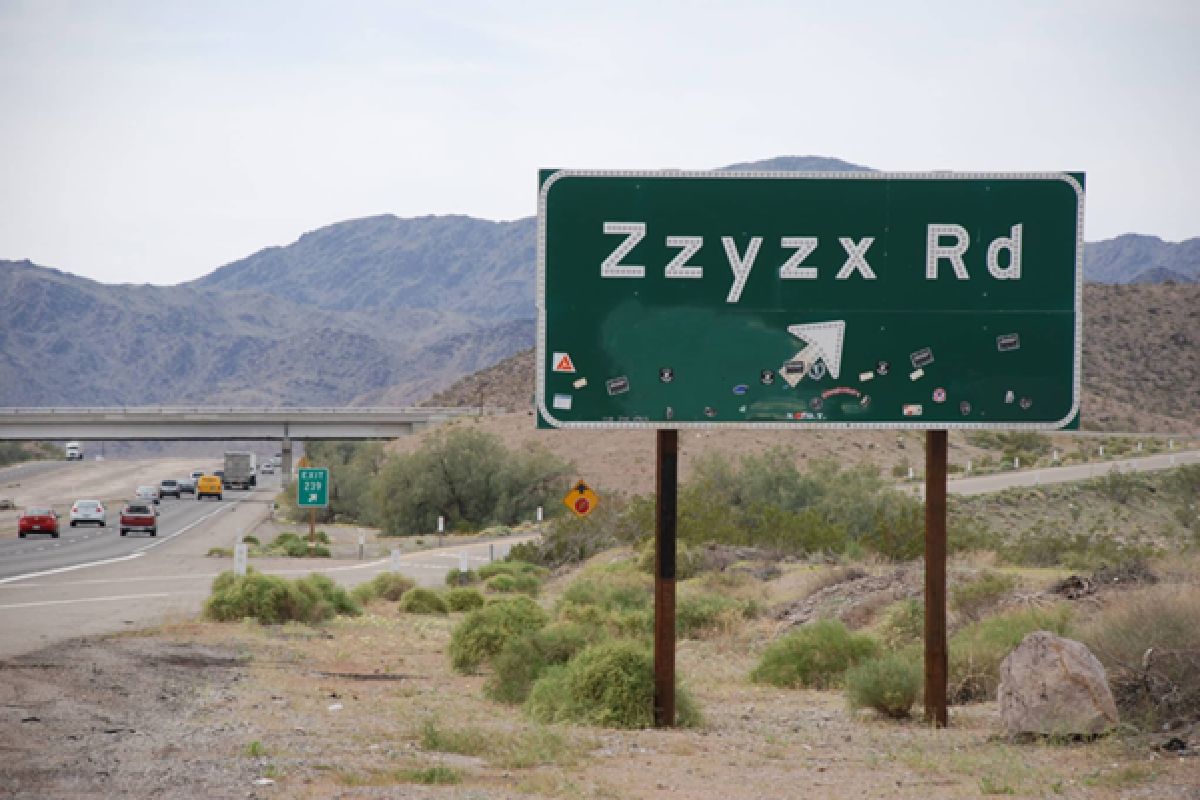
Zzyzx, California, is a small desert location near the Mojave Desert that has a long and unusual history. The area became known for its remote setting, abandoned buildings, mineral spring history, and federally controlled land. Its isolated location has attracted tourists, photographers, and curiosity seekers for years.
In legal discussions surrounding Zzyzx, the area became notable because alleged criminal activity occurring there raised questions involving federal jurisdiction, public land violations, and federal criminal enforcement.
Why the Zzyzx Case Became a Federal Matter
Federal criminal cases differ from ordinary state criminal cases because they involve violations of federal law or crimes occurring on federal property.
The Zzyzx case reportedly drew federal attention because:
- Portions of the land are federally managed.
- Federal property regulations may have been violated.
- Interstate activity may have been involved.
- Federal agencies had jurisdiction over the investigation.
When crimes occur on federal land, agencies such as the FBI or Bureau of Land Management may become involved.
Federal Jurisdiction Plays a Major Role
Jurisdiction determines which government authority has the power to investigate and prosecute a crime.
Federal jurisdiction may apply when:
- Crimes happen on federal land.
- Federal agencies are affected.
- Interstate criminal conduct occurs.
- Federal statutes are violated.
In cases connected to remote desert properties like Zzyzx, land ownership and federal management can significantly affect how the investigation proceeds.
Investigators Typically Gather Extensive Evidence
Federal investigations are often lengthy and detailed. Investigators usually collect large amounts of evidence before prosecutors decide whether to file charges.
Evidence may include:
- Surveillance footage
- Electronic communications
- Financial records
- Witness testimony
- Search warrant evidence
Federal prosecutors generally attempt to build strong cases supported by extensive documentation.
Search Warrants Are Common in Federal Cases
Federal agents often rely on search warrants during investigations involving remote properties or suspected criminal operations.
A federal search warrant generally requires the following:
- Probable cause
- A sworn affidavit
- Judicial approval
For example, Rule 41 of the Federal Rules of Criminal Procedure governs federal search and seizure procedures.
If investigators violate constitutional protections during searches, defense attorneys may challenge the admissibility of evidence in court.
Conspiracy Charges Often Appear in Federal Cases
Federal prosecutors frequently use conspiracy charges when multiple people are allegedly involved in criminal conduct.
A conspiracy allegation may claim the following:
- Two or more individuals agreed to commit a crime.
- Someone took action to further the criminal plan.
Conspiracy charges can expand criminal liability even if a defendant did not personally commit every act connected to the alleged offense.
Federal Crimes Can Carry Severe Penalties
Federal criminal convictions often result in serious penalties, including prison time, large fines, and supervised release.
Potential federal offenses may include:
- Fraud-related crimes
- Weapons violations
- Drug offenses
- Obstruction of justice
- Property-related offenses on federal land
Federal sentencing guidelines may increase penalties depending on the severity of the conduct and prior criminal history.
Federal Agencies Often Work Together
Complex federal investigations commonly involve cooperation between several agencies.
These may include:
- Federal Bureau of Investigation
- Bureau of Land Management
- United States Marshals Service
- Department of Justice prosecutors
Each agency may focus on different aspects of the investigation depending on the alleged violations.
Remote Locations Create Unique Challenges
The isolated nature of Zzyzx reportedly added complexity to the investigation process.
Remote crime scenes may create issues involving:
- Evidence collection
- Property access
- Surveillance operations
- Witness availability
Desert environments can also complicate forensic investigations and law enforcement logistics.
Defendants Still Have Constitutional Rights
Even in federal criminal investigations, defendants maintain important constitutional protections under United States law.
These rights include:
- The right to remain silent
- The right to legal counsel
- Protection against unlawful searches
- The right to a fair trial
Federal prosecutors still carry the burden of proving guilt beyond a reasonable doubt.
Public interest increased because of Zzyzx’s history.
Part of the public fascination with the case came from the unusual history and mystery surrounding Zzyzx itself. The town’s abandoned appearance, desert isolation, and strange name have made it widely recognized in media and popular culture.
When criminal allegations become tied to unique or historic locations, public attention often increases significantly.
Key Takeaways
- The Zzyzx federal crime case involved alleged criminal activity connected to federally managed land.
- Federal jurisdiction may apply when crimes occur on federal property or violate federal laws.
- Federal investigations often involve agencies such as the FBI and Bureau of Land Management.
- Search warrants in federal cases must comply with Rule 41 of the Federal Rules of Criminal Procedure.
- Conspiracy charges are commonly used in federal criminal prosecutions.
- Federal crimes may carry severe prison sentences and financial penalties.
- Remote locations like Zzyzx can create investigative and evidentiary challenges.
Defendants maintain constitutional rights throughout federal criminal proceedings.