
Contents of this Post
ToggleVideo is the single greatest eyewitness a crash case will ever see.
It never forgets. It never alters its testimony. It cannot be persuaded that what it witnessed didn’t happen. But it does one thing that is worse than each of these things…
It disappears.
Every dashcam, doorbell camera, petrol station DVR and traffic pole recorder within range of an accident scene has a clock running on it. Eventually that clock will reach zero and that file will be overwritten and lost forever. You can’t subpoena a file back from oblivion.
The good news?
That timer can be stopped. But somebody has to move fast.
What you’ll walk away with:
- Why Footage Vanishes Faster Than People Expect
- Where The Cameras Are Actually Hiding
- The First 72 Hours After A Crash
- Why Head Injury Claims Live Or Die On Video
- Mistakes That Wipe Out Good Evidence
Why Footage Vanishes Faster Than People Expect
Most people assume video sits on a server somewhere forever. It doesn’t.
Business camera systems overwrite themselves on a loop. Eventually the hard drive fills up, and the oldest day gets deleted to free up space for today. Industry sources report businesses typically retain footage for 30-90 days, and smaller stores running off-the-shelf systems can loop in less than a week.
Dashcams are worse.
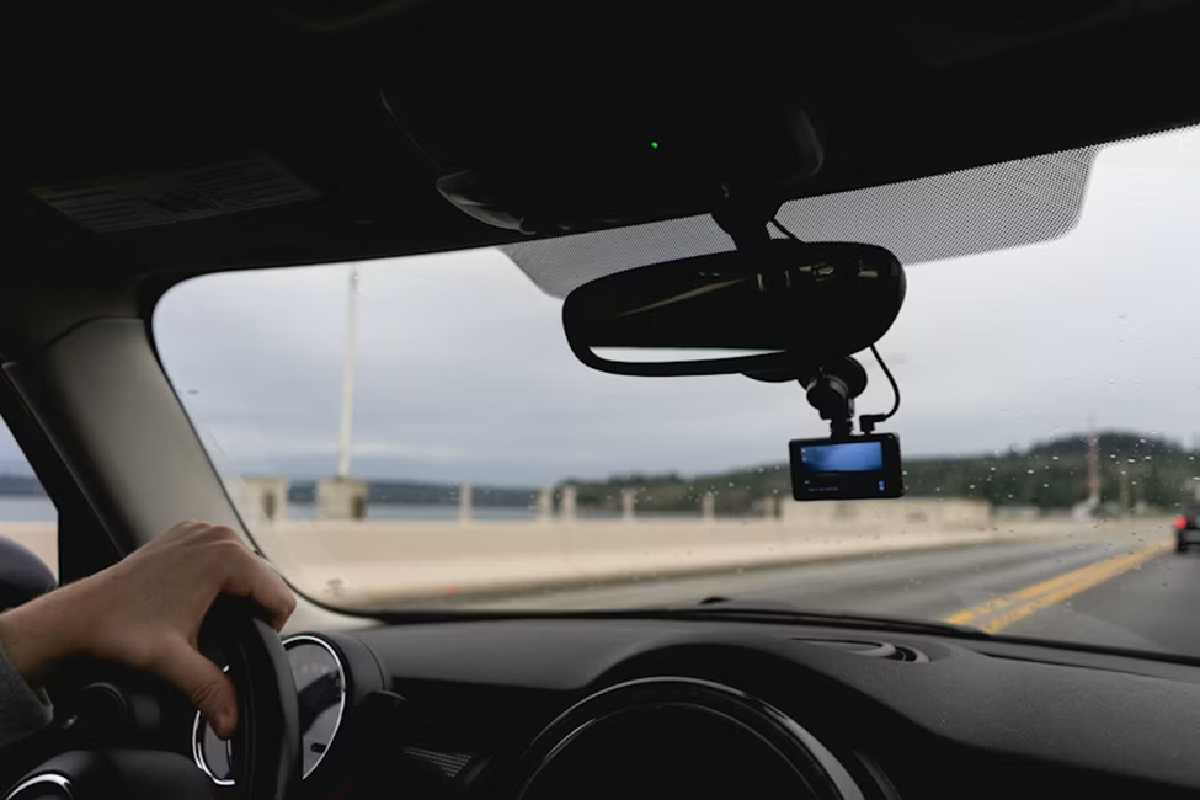
Dashcams record onto a little memory card. That card gets full in hours — not weeks. Then it silently starts overwriting the beginning. So Tuesday morning’s collision may already be lost under Thursday’s school run.
That’s why a brain injury lawyer considers video preservation an emergency, not a back-burner issue. Most head trauma cases are the ones where video is most important, since the victim may be unable to explain what occurred. Memory loss is a symptom of brain injury, not a credibility issue. The experienced car accident lawyers who handle these types of claims send written preservation requests within days of getting hired, often before a lawsuit has even been filed, because evidence doesn’t get to remain available while someone is out cold in a hospital bed.
Nobody gets a second chance at this part.
Where The Cameras Are Actually Hiding
Most crash scenes contain significantly more cameras than you think. The key is locating them before time runs out.
Start with the obvious and work outward:
- Dashcams in every vehicle involved — including witnesses who pulled over
- Doorbell and home security cameras on nearby houses
- Business cameras at petrol stations, drive-thrus, banks and shopfronts
- Traffic and intersection cameras operated by the city or state
- Fleet cameras on delivery vans, buses and refuse trucks
- Parking garage systems at nearby offices and apartment blocks
Here’s the part that catches people out…
Each one of those cameras has a different owner. A different system. And completely different retention window. The bank may keep footage for ninety days. The sandwich shop down the street might keep three. Preserving evidence isn’t one phone call. It’s a dozen of them. All urgent. All at the same time.
And a merchant has no responsibility to retain an item for a random person. They will only store it if someone requests it correctly, via written communication before the cycle resets.
The First 72 Hours After A Crash
The window is short, so the order of operations matters. Work through these steps.
Map Every Camera In Sight
You must drive or walk the scene and list every camera that points in the direction of the road. Take pictures of the buildings. Write down the business name and address.
A family member or an investigator can handle it. Just do it quickly.
Pull The Memory Card Immediately
When a vehicle is equipped with a dashcam, the card is removed prior to transporting, towing, repairing or selling the vehicle.
That last one is important.
Cars are towed to junkyards and dismantled days after a severe accident occurs. A dashcam recording valuable footage of the entire incident is worthless after being crushed with the car.
Copy the file. Then copy it again somewhere else. Never edit the original.
Send Preservation Letters In Writing
You can’t send a nice phone call. A written preservation letter (also known as a spoliation letter) specifically instructs the camera owner WHAT is needed, what date/time range is relevant, and that there could be legal ramifications for destruction.
Written requests create a paper trail. Phone calls create arguments about who said what.
Why Head Injury Claims Live Or Die On Video
Brain injuries are different from broken bones.
A fracture appears on an X-ray. A concussion may appear on nothing whatsoever. That’s why insurance companies fight so hard against these claims. They’ll say the crash was minor. They’ll say the symptoms came from something else. They’ll say the injured party is exaggerating.
Nor is it a small problem either. The CDC estimates that there are approximately 586 TBI hospitalisations per day in the United States, with around 190 accompanying deaths.
Video answers the arguments that medical records can’t:
- How fast the other vehicle was actually travelling
- Whether the light was green
- Whether a phone was in someone’s hand
- How violent the impact really was
- How the injured person behaved in the minutes afterward
That final point does a lot of heavy lifting behind the scenes. Videos of someone stumbling around, clutching their head or staring blankly at the street can prove brain injury damages in a manner words on paper never will. A brain injury lawyer can kill a “low impact” defense with just thirty seconds of footage.
Mistakes That Wipe Out Good Evidence
Plenty of good footage gets lost by accident. These are the usual culprits:
- Waiting for the police report — reports take weeks, cameras don’t wait weeks
- Assuming the police already took everything — police typically only take one or two sources
- Asking verbally instead of in writing — no record, no proof, no leverage
- Leaving the dashcam in the car — the card will keep looping while it’s sitting at the tow yard
- Editing or trimming the original file — changes mean someone can attack the entire clip
There’s one last one that hurts. When families go through a serious head injury they are understandably consumed by hospitals. Nobody cares about a petrol station DVR while you’re lying in a hospital bed, and by the time someone does it’s six weeks later and the footage has been deleted.
That’s exactly why this job gets handed to someone else early.
Locking It All Down
Footage preservation is a race that starts the moment the vehicles stop moving.
The whole job comes down to a few things:
- Identify every camera near the scene, quickly
- Pull dashcam cards before the vehicle goes anywhere
- Put every preservation request in writing
- Copy and store everything twice
- Get help before the shortest retention window closes
Cameras can’t be biased, and cameras can’t lie about what they saw. They only need someone to get to them in time — before the recording loops back over itself — because after that file is overwritten, the best piece of evidence in your case disappears forever.