

Legal scholars often move through unfamiliar cities on schedules shaped by conference panels, court access rules, and fixed transport departures. A delayed train or unavailable hotel room can disrupt research time, while carrying bags between appointments creates avoidable security and mobility concerns. A practical urban transit routine helps you protect documents, arrive prepared and use gaps in the day for meaningful work.
Demanding Timelines at Legal Symposia
Academic programs rarely leave much room for transport delays. A scholar may have breakfast with collaborators at 8:00 a.m., moderate a panel at 10:30, and attend a workshop across town after lunch. Events such as the Cities of Tomorrow Symposium also bring together ideas from law, planning and public policy, which can produce valuable conversations outside scheduled sessions.
Build your daily plan outward from fixed commitments. Enter each panel, meeting and departure into one calendar, then add the exact address and expected travel time. Allow at least 20 minutes beyond the route estimate when traveling to an unfamiliar venue. Station layouts, ticket purchases, and searching for the correct entrance can all take longer than the ride itself.
Review the program before leaving your accommodation and identify one session you could miss if a delay occurs. This creates a realistic contingency without compromising your main purpose for attending. Save offline copies of your ticket, venue details and program because reception may be weak inside stations or older university buildings.
Conference days also require careful energy management. Schedule a brief meal window, and avoid filling every open slot with optional meetings. A 30-minute break can give you time to revise notes, answer urgent messages, and prepare a focused question for the next panel. That preparation often produces a better professional exchange than rushing into another room without context.
When Court Visits Conflict With Checkouts
Court observation can be difficult to reconcile with hotel schedules. A hearing may begin at 9:00 a.m. while checkout is at 11:00, and access procedures may require you to arrive well before the listed start time. Returning to the hotel can add an hour or more to the day and may become impossible if you have an afternoon train.
Confirm both schedules the night before. Ask the hotel about late checkout or temporary bag holding, but don’t assume either will be available. If your route passes through Amsterdam Centraal, reserving Amsterdam centraal luggage storage can give travelers a practical place to leave their luggage with a local storage partner near the transport hub. Check the location’s opening hours, booking terms, and collection deadline before committing to a court visit.
Court-related programming may also change. Academic calls such as the courts and democratic governance initiative show how judicial institutions remain central to scholarly discussion, but an actual visit depends on local access conditions. Check public entry rules through the court’s official information channel, and bring only what you need.
Keep identification, tickets, medication, and confidential research materials with you. Store clothing and ordinary travel items separately. Work backward from your scheduled departure to plan your collection time, including the trip to the storage location, possible lines, and a 20-minute station buffer. This calculation gives you a clear time to leave the court or nearby archive.
Securing Belongings Near City Terminals
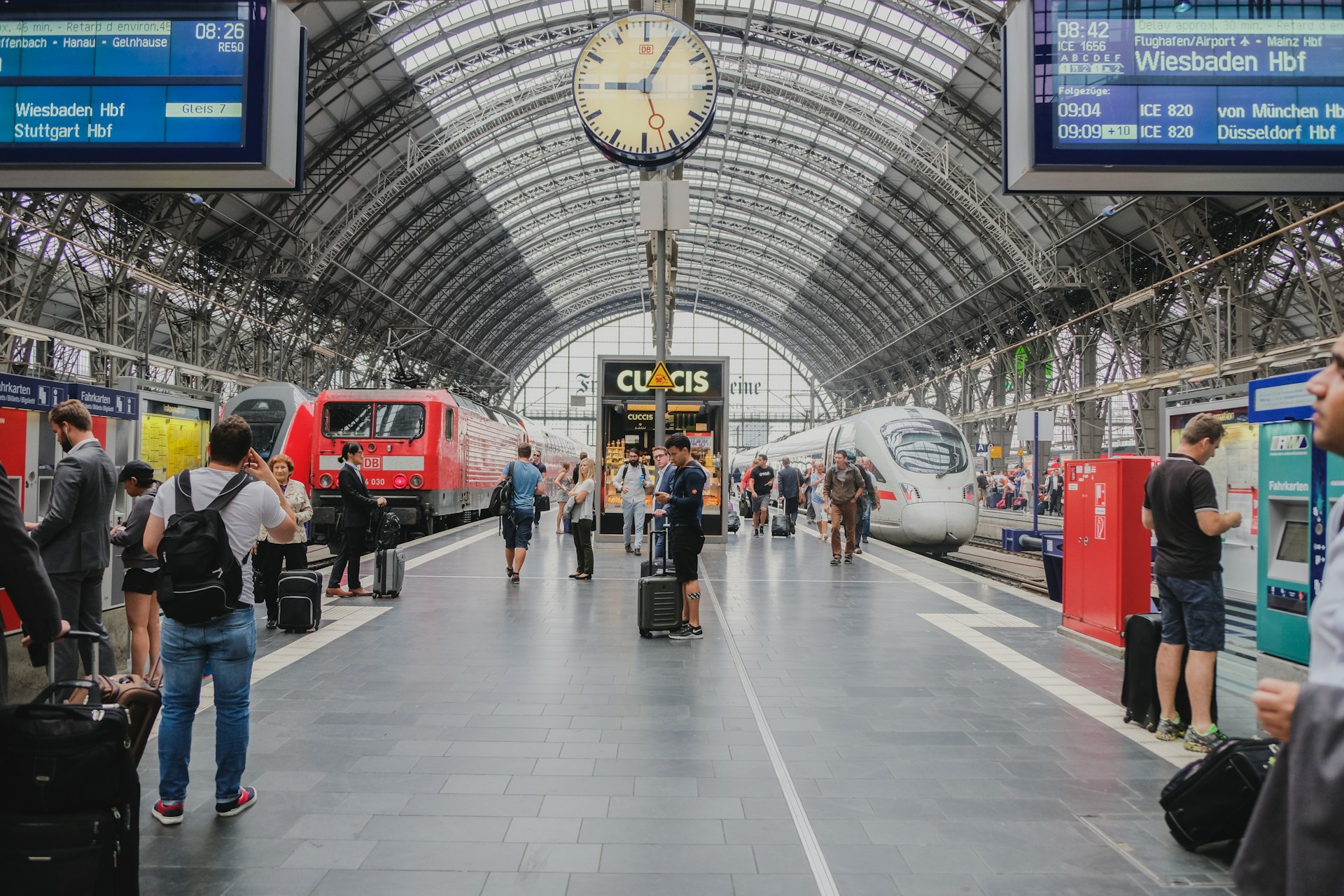
Major terminals are efficient meeting points, but they also involve crowds, frequent platform changes, and limited space. A scholar carrying a suitcase, laptop bag, and conference materials has less freedom to review signs or respond to a last-minute message. Reducing that physical load makes movement easier and helps you maintain control over sensitive items.
Before using any storage option, confirm its identity, address, and operating hours through the booking confirmation. Photograph your luggage and retain any receipt or digital collection code. Never place irreplaceable field notes, unpublished interview records, or devices containing unprotected data in a checked bag. Keep those materials in a small personal bag under your control.
Digital precautions matter as much as physical ones. Use device encryption, a strong screen lock, and multifactor authentication for university accounts. Download the files needed for the day, then close documents before entering a crowded transit area. Public charging points may be convenient, but your own charger and cable give you greater control over the connection.
Scholarly events can generate unexpected amounts of paper. The program for a consumer law scholars conference, for example, reflects the range of sessions and participants that may shape a research agenda. Scan useful handouts when permitted and record the speaker’s name, session title, and date in the file name. Recycle duplicate programs and online materials instead of carrying every document to the next city.
A simple packing system also prevents confusion at collection. Use one pouch for travel documents, one for work equipment, and one for personal essentials. If a train platform changes, you can move immediately without opening the main suitcase to find a cable or ticket.
Optimizing Productivity on the Move
Transit time works best for bounded tasks with a clear finish. Editing one abstract, labeling research notes, or drafting three follow-up emails fits a 40-minute train ride. Reviewing an entire manuscript usually requires more concentration and screen space than public transport provides.
Create three task categories before the trip. Reserve low-attention work for station waits, medium-attention work for a quiet train seat, and high-attention work for a library, hotel desk, or university workspace. This reduces the time spent deciding what to do whenever a short opening appears.
You can also use a simple conference note format. For each session, record the central claim, the evidence offered, one point of disagreement, and one person to contact. Scholars examining law and social movements may encounter arguments that cross doctrinal, institutional and sociological boundaries. A consistent structure makes those ideas easier to compare afterward. If your research trip involves traveling between cities, knowing how to plan and book a long distance move can also help you coordinate transport, accommodation and belongings ahead of time.
Protect concentrated work periods by limiting alerts. Keep transport notifications active, but silence routine email and group chats for a set interval. If you have 25 minutes before boarding, spend 20 minutes on one task and use the remaining five to pack, check the platform, and move toward the departure point.
End each travel day with a ten-minute administrative review. Rename files, back up notes, and add promised follow-ups to your calendar. Record any receipts while the purpose of each expense is still clear. This short routine prevents a pile of unidentified documents and incomplete commitments from waiting until you return home.
A productive legal research trip depends on small operational decisions made before the day becomes crowded. When your next departure has a firm deadline, calculate the collection and station buffers first, then let that time determine when the final appointment must end.