
Contents of this Post
TogglePhysical evidence during a sexual assault case can make or break the outcome.
It affects how prosecutors structure their arguments. It changes how defence lawyers fight back. And it ultimately impacts how jury members rule.
Here’s the truth…
Most survivors and family members don’t understand how critical evidence is to their case — or what even qualifies as evidence.
What You’ll Learn:
- Why Evidence Is EVERYTHING in These Cases
- The Main Types of Physical Evidence
- Why Digital Evidence has Become the Game Changer
- Surviving the Situation With Little to No Physical Evidence
- The Key to Building The Best Possible Case
Evidence Determines the Outcome More Than Anything Else
Think about what makes sexual assault cases different than other crimes…
There is often no outside witness. No camera footage. Not even solid forensic evidence from the scene.
Statistics show that 28 out of 1,000 reports lead to felony convictions. That’s one of the lowest rates among all violent crimes.
Why?
Doesn’t the justice system strive to find the truth?
Most people think it’s lack of jury support. The reality — especially in Colorado — is proof.
Sexual assault cases hinge on evidence.
When gathering facts about evidence in Colorado sexual assault cases — know that some evidence will matter more than others in court.
Types of Physical Evidence Collected From Assault Cases
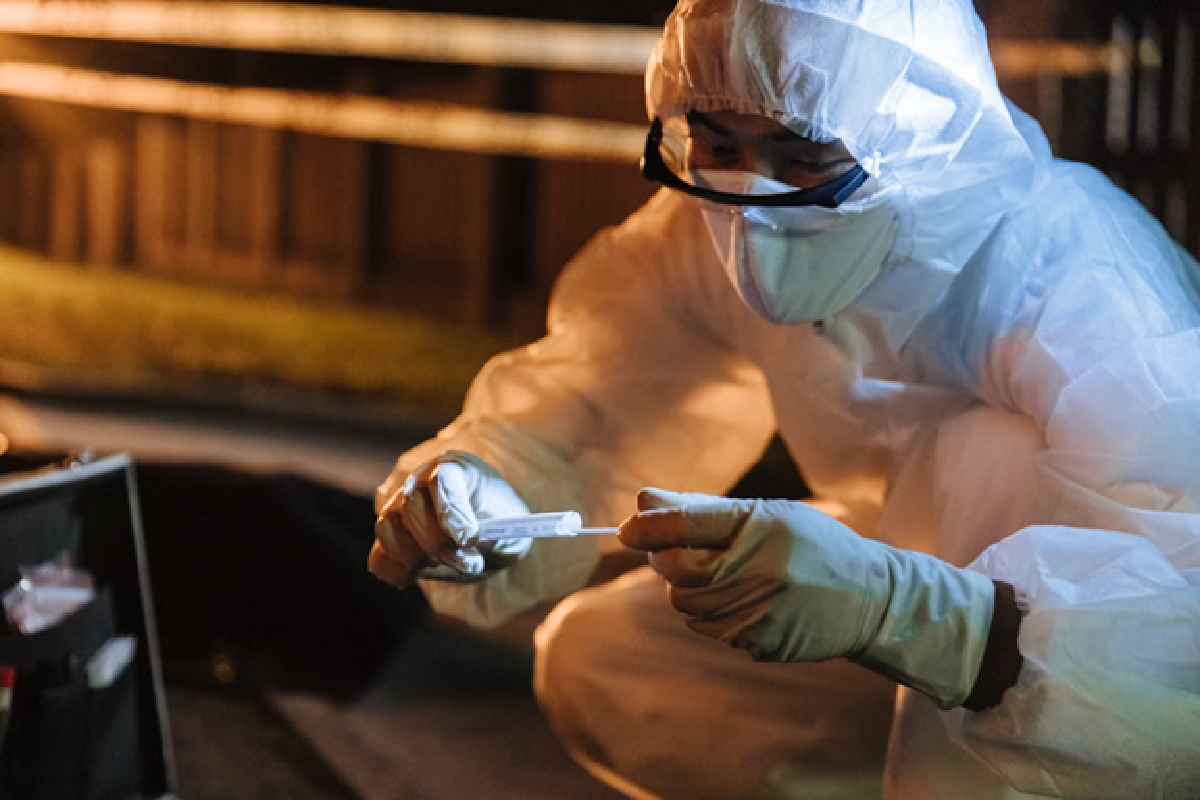
It starts the moment law enforcement receives a report for a sexual assault.
Officers are trained to collect as much physical evidence as possible from:
- The survivor’s body
- The survivor’s clothing
- The location where the assault took place
Physical evidence can include:
- DNA samples
- Medical proof of injuries
- Clothing that has been torn or removed during assault
- Photos of the scene and victim’s injuries
- Toxicology reports (blood tests for drugs)
- Basic forensics (hair, fibers, etc.)
DNA Samples
DNA has become the “golden ticket” for prosecutors in assault cases.
When found, DNA can link a suspect to a survivor during the assault. Physical reactions simply can’t be disputed in most court cases.
Here’s the problem…
Just 1 in 5 sexual assault cases have enough DNA evidence to help win the case. Prosecutors need other physical evidence to counter the lack of DNA.
Survivor’s Injuries & Medical Tests
Visual aids help jurors grasp the severity of an assault. Injuries like bruising, tearing, or biting are definitive physical proof forced contact happened.
Doctors can preserve this evidence through a SANE exam. They use specialized tools to highlight injuries on:
- Breasts
- Genitals
- Thighs
Pictures and medical analysis show concrete proof of forced contact. Attacks that leave little or no visible injuries are harder to prosecute.
That doesn’t mean a survivor wasn’t assaulted. Forensic nurses are trained to look for hidden or microscopic signs of injuries.
Digital Evidence is Now The Game Changer
If someone went to trial for sexual assault 10 years ago… physical evidence ruled the courtroom.
Not anymore. Technology and smart devices have forever changed digital evidence.
Instead of only having DNA, medical tests, or survivor testimony — today’s prosecutors review everything on a suspect’s phone.
Messaging applications like:
- Facebook Messenger
- iMessage
- Snapchat
Provide crucial information about what happened before, during, and after an assault.
Prosecutors study social media apps for information on:
- Check-ins
- Friends that were with the survivor
- Locations
- Timestamps
GPS location trails from a suspect’s phone.
Security cameras found at bars, car parks, hotels, and apartments.
Anything that can be linked to a digital device — became critical evidence.
It’s why prosecutors always request a suspect’s phone during trial.
Digital information is objective. Juries believe it more than witness testimonies because it never:
- Lies
- Changes its story
- Gets confused about details
Needless to say…
Digital evidence has become the most powerful tool for prosecutors.
Cases With Limited Physical Evidence
Here’s the unfortunate truth about physical evidence in assault cases:
A case doesn’t automatically get thrown out without it.
Just because a survivor didn’t sustain physical injuries from sexual assault doesn’t mean prosecution won’t happen.
Assaulters target victims who:
- Are easy targets
- Made them feel safe
- Are less likely to report them
Fear of retaliation is a big reason many survivors don’t report sexual assault. If the assaulter was a coworker, neighbour, or close friend — it’s normal to not want to press charges.
Think a case isn’t valid without DNA or injuries? Think again. Here’s how prosecutors can prove sexual assault without physical evidence.
Testimony from witnesses who may have seen the victim immediately after the attack.
Officers may ask what the survivor was wearing, who they spoke with, and who they spent time with before the attack.
Victim statements are carefully evaluated for consistency. If the story changes or details are left out — prosecutors may think something is being hidden.
Was the victim emotionally different after the assault?
Behavioural changes to a survivor can be presented in court. A lawyer should be informed of any changes in:
- Sleeping habits
- Work performance
- Avoiding certain places
- Depression
Similar conduct can include prior assaults by the suspect. State’s attorneys cannot use this information in all cases.
But if they can — it will help prove their case.
The absence of physical proof makes jury members skeptical. It’s called the “CSI effect” where jurors want to see forensic evidence like they do on TV.
An experienced legal team will know how to build a case from start to finish.
Creating the Strongest Case Possible
When evidence is presented properly, the strongest cases have multiple types of proof.
Sexual assault lawyers know how to highlight important details in DNA results, digital forensic reports, and photos of the survivor’s injuries.
Since most assaults occur by people the survivor knows… physical evidence can be hard to find.
Building a case starts with a proper medical exam.
Try to preserve as much physical evidence as possible and contact a lawyer immediately.
Timing can be the difference between a suspect going free or not.
Survivors have come forward years after their assault and still won their cases.
The key to evidence is preserving what is available and fighting for justice.
Wrapping Things Up
One piece of physical evidence will not define a case. But it will influence how other evidence is interpreted.
Photos of injuries, texts leading up to the assault, and DNA samples all play a critical role.
Just because an assault left no physical injuries doesn’t mean charges shouldn’t be pressed.
Here’s A Quick Recap:
- DNA samples and medical tests carry the most weight in court
- Text conversations, GPS, and social media help prove the case
- Physical injury doesn’t need to be present for a case to proceed
- Multiple types of evidence builds a stronger case
- Time is everything. Contact a lawyer as soon as possible.
If there are more questions about sexual assault evidence, reaching out to a lawyer right away is the best next step.