
Contents of this Post
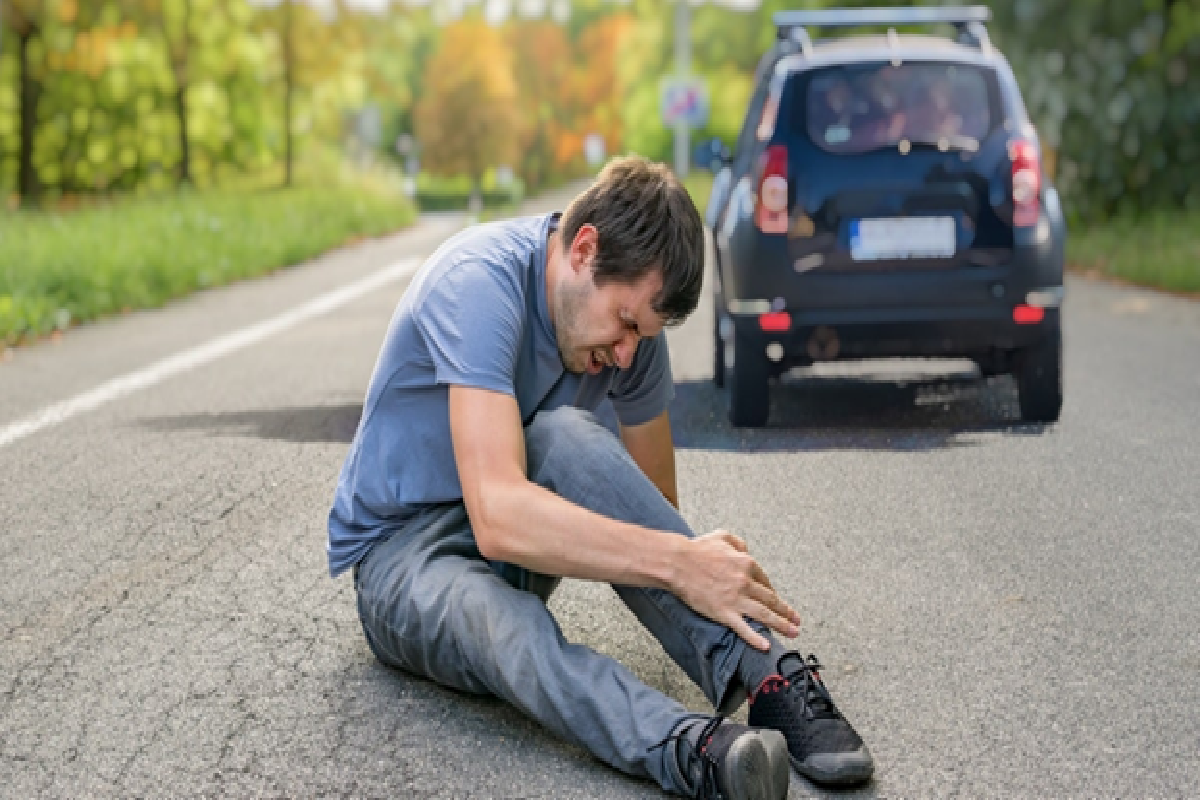
ToggleBeing injured in a hit-and-run accident produces a specific kind of compounded distress. On top of the physical injury, the property damage, and the financial disruption that any serious crash brings, there is the particular frustration of knowing that the person responsible left the scene and may never be identified or held accountable. In Colorado, hit-and-run accidents are a significant problem, and the legal options available to injured people in these situations are often more substantial than victims initially realize.
Understanding what Colorado law says about hit-and-run accidents, what your own insurance coverage provides when the at-fault driver is unidentified, and what investigative steps can lead to identification and recovery is the starting point for anyone navigating this situation.
Colorado’s Hit-and-Run Laws and What They Establish
Colorado law requires drivers involved in any accident resulting in injury, death, or property damage to stop immediately, render reasonable assistance to injured parties, and provide their name, address, and registration information. Leaving the scene of an accident involving injury is a felony under Colorado law. Leaving the scene of a property-damage-only accident is a misdemeanor. These criminal statutes establish the framework for any civil liability that flows from the hit-and-run conduct.
If the driver is subsequently identified, their flight from the scene is not just a criminal matter. It is evidence of recklessness that can be used to support a claim for enhanced damages in the civil case. A driver who commits a felony hit-and-run may be exposed to punitive damages beyond the standard compensation available in a negligence case.
Your Own Insurance Coverage When the Driver Is Unknown
The most immediately practical question for anyone injured in a hit-and-run is what financial resources are available when the at-fault driver cannot be identified. The answer in most cases runs through the injured person’s own insurance policy:
- Uninsured motorist coverage: Colorado law treats an unidentified hit-and-run driver as an uninsured motorist for purposes of UM coverage. If you carry uninsured motorist coverage, it can compensate you for your injuries even when the driver who caused the crash is never found
- Underinsured motorist coverage: If the driver is identified but carries insufficient insurance to fully compensate your damages, UIM coverage fills the gap
- MedPay coverage: Medical payments coverage on your own policy pays for medical expenses regardless of fault, providing immediate access to medical cost coverage while the claim develops
- Collision coverage: Covers vehicle repair costs regardless of whether the at-fault driver is identified, subject to your deductible
Colorado law requires insurers to offer uninsured motorist coverage in amounts at least equal to your liability limits, though you can decline it in writing. Drivers who declined UM coverage when they purchased their policy often discover after a hit-and-run that they have significantly reduced options. Understanding what your own policy actually provides before you need it is genuinely important.
The Investigation: Finding a Driver Who Fled
Hit-and-run cases are not always cold cases. Many drivers who flee an accident scene are identified through the investigative process, and the evidence that leads to identification needs to be collected quickly before it degrades or disappears. The Colorado State Patrol investigates serious hit-and-run crashes and has resources including forensic analysis of paint transfer, vehicle part identification, and camera footage review that can produce identifications in cases that initially seem hopeless.
Evidence that can lead to the identification of a hit-and-run driver includes:
- Surveillance footage from businesses, traffic cameras, and residential doorbell cameras in the area of the crash
- Witness accounts of the vehicle description, partial plate, or direction of travel
- Paint transfer and vehicle parts left at the scene that can be matched to a specific make and model
- Social media posts by the driver or witnesses in the area of the crash
- Dashcam footage from the injured vehicle or other vehicles traveling in the area
The UM Claim Process and Common Insurer Disputes
Filing a UM claim for a hit-and-run injury in Colorado requires demonstrating that physical contact occurred between the hit-and-run vehicle and the injured person’s vehicle or body. This contact requirement exists to prevent fraudulent claims where a driver invents a phantom hit-and-run to cover a single-vehicle accident. When physical contact did occur, corroborating evidence including the police report, photographs of vehicle damage, and witness accounts supports the UM claim.
Insurers handling UM claims have the same financial incentive to minimize payouts as they do with any other injury claim. They may dispute the severity of injuries, challenge the causal connection between the contact and the injuries claimed, or argue that the contact was de minimis and insufficient to cause the reported damage. Getting legal help from a hit-and-run accident lawyer before making formal statements to your own insurer is the most effective way to avoid inadvertently compromising a UM claim.
What Happens When the Driver Is Identified Later
When a hit-and-run driver is identified after the initial investigation, the civil claim picture changes. A direct liability claim becomes available against the driver and, depending on the circumstances, potentially against their insurer. Any criminal charges that result from the investigation may also produce restitution as part of the criminal case, though restitution rarely covers the full scope of civil damages.
Colorado’s three-year statute of limitations for personal injury claims generally runs from the date of the crash, not the date the driver is identified. In some circumstances, the discovery rule may toll the limitation period, but this is a legal question that requires specific analysis based on the facts of the case. Acting quickly once a driver is identified ensures that the civil claim is not lost to timing issues while the criminal process plays out.