
Contents of this Post
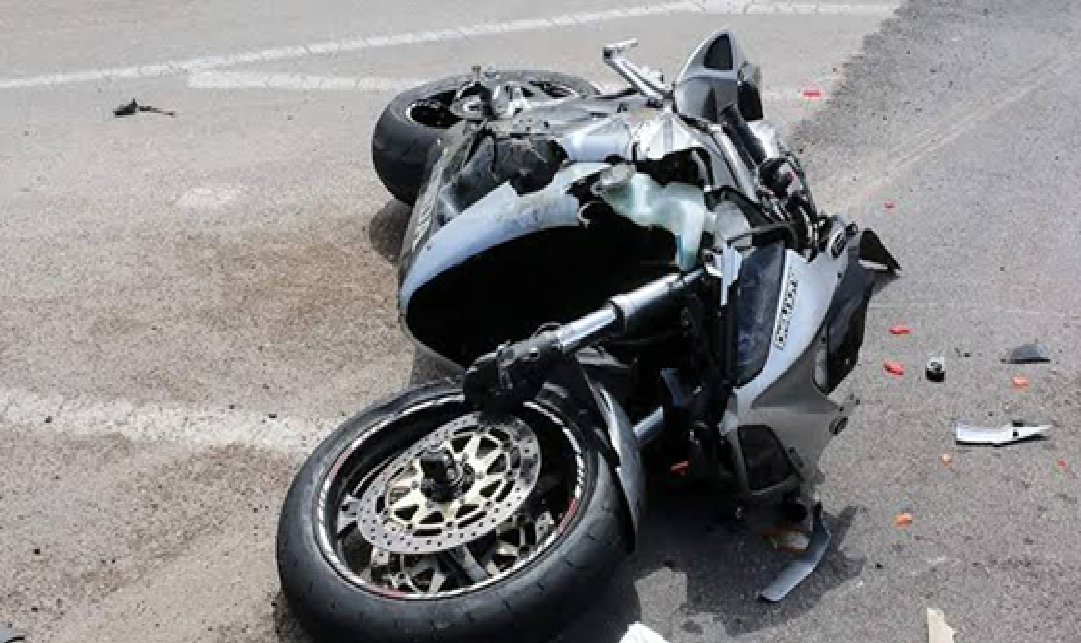
ToggleMotorcycle accident victims often face challenges that go far beyond the initial crash. Because riders have little physical protection compared to people in passenger vehicles, injuries are usually more severe, recovery is often longer, and legal claims can get more complicated.
Houston, Texas, which is located in southeastern Texas near the Gulf Coast and serves as one of the largest cities in the United States. It is a major transportation hub, with millions of drivers using its roads every year. This is why Houston experiences a significant number of traffic accidents, including serious motorcycle collisions, making legal and financial recovery an important concern after a motorcycle crash.
Because of this traffic volume, serious collisions involving motorcycles occur regularly, making legal and financial recovery an important concern after a motorcycle crash in Houston.
In this article, we explore some of the most common challenges motorcycle accident victims face and how these issues can affect their recovery and pursuit of compensation.
Severe Injuries and Long Recovery Periods
Motorcycle accidents often result in severe injuries. Unlike drivers inside cars, motorcyclists do not have the protection of a steel frame, airbags, or seatbelts.
These injuries often require surgeries, rehabilitation, physical therapy, and ongoing medical treatment. Some victims may never fully recover and could face permanent disabilities that affect their ability to work and live independently.
Common injuries include:
- Broken bones
- Road rash
- Traumatic brain injuries
- Spinal cord injuries
- Internal organ damage
- Crushing injuries
Insurance Company Bias
In many motorcycle accident claims, insurance companies view the victims’ claims differently than car accident claims.
Adjusters often assume riders were
- Speeding
- Weaving through traffic
- Taking unnecessary risks
- Acting recklessly
These assumptions can influence how claims are evaluated. Insurance companies may attempt to shift blame onto the motorcyclist to reduce the amount they must pay. This makes collecting evidence and documenting the facts of the accident important.
The Challenge of Proving Fault
Texas follows a modified comparative fault system under Texas Civil Practice and Remedies Code § 33.001. This means an injured rider can recover compensation if they are 50% or less responsible for the accident. However, if they are found 51% or more at fault, they may recover nothing.
Because fault percentages directly affect compensation, disputes over responsibility are common in motorcycle accident cases.
Misconceptions About Helmet Use
Another challenge involves public misunderstandings about helmet laws.
Many people assume that a rider who was not wearing a helmet automatically caused or contributed to their injuries. However, the situation is often more complex. Texas law allows certain riders over age 21 to legally ride without a helmet if specific requirements are met.
Even when helmet use becomes part of a legal dispute, it does not automatically determine who caused the accident. The focus should remain on the actions that led to the collision itself.
Long-Term Financial Pressure
The financial consequences of a motorcycle accident can be overwhelming. For riders suffering permanent disabilities, these costs can continue for years. Unfortunately, insurance companies often focus on immediate expenses while minimizing future medical needs and long-term care requirements.
Victims could face:
- Emergency medical bills
- Rehabilitation expenses
- Prescription costs
- Lost wages
- Reduced earning capacity
- Home modification expenses
Emotional and Psychological Challenges
Other than visible injuries, many victims experience emotional difficulties after a serious crash, including:
- Anxiety
- Depression
- Sleep disturbances
- Fear of riding again
- Post-traumatic stress disorder
These challenges can affect relationships, employment, and overall quality of life. Recovery often involves both physical and emotional healing.
Key Takeaways
- Motorcycle accidents often result in more severe injuries than car accidents.
- Insurance companies frequently try to place greater blame on riders.
- Proving fault can be challenging under Texas comparative negligence rules.
- Helmet-related assumptions can complicate claims and negotiations.
- Long-term medical costs may extend far beyond the initial recovery period.
Emotional trauma is a common but often overlooked consequence.