
A car accident claim is not decided by how damaged the vehicles look. It is decided by evidence, documentation, and how well the case is structured under state law.
In California, personal injury claims follow specific fault rules, insurance regulations, and statutory deadlines. Understanding how these elements interact is what determines whether an injured driver in the Bay or other metropolitan areas recovers full compensation or walks away underpaid.
This guide breaks down the legal process step by step and explains what actually strengthens a car accident case.
Step 1: How Fault Is Determined Under California’s Comparative Negligence System
California follows a pure comparative negligence rule. Fault can be divided between drivers, and any compensation awarded is reduced by the injured party’s percentage of responsibility.
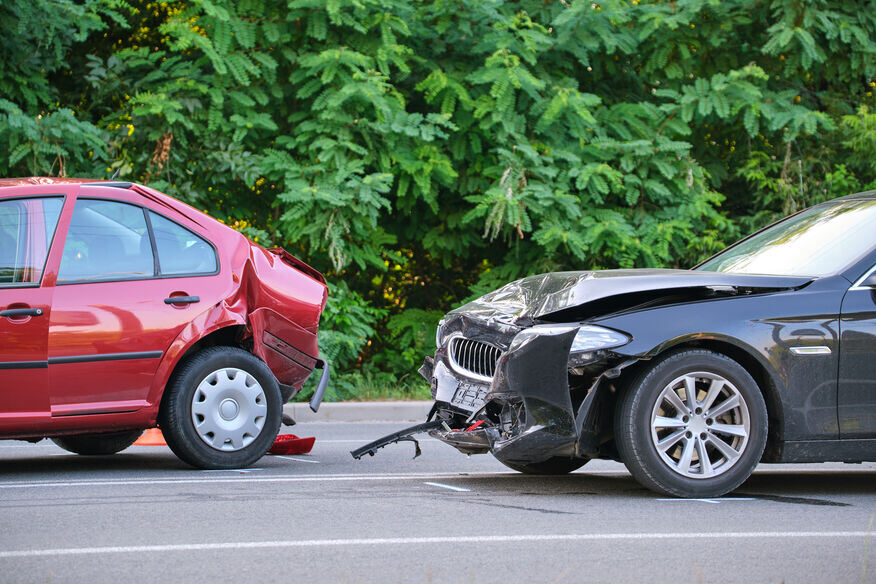
If you are found 30% at fault, your recovery is reduced by 30%. Even if you are 80% at fault, you may still recover 20% of your damages. Insurance carriers rely heavily on this rule and routinely attempt to shift partial blame to reduce financial exposure.
In practice, fault allocation is not automatic. It is shaped by how early evidence is preserved and how effectively liability arguments are positioned. An experienced car accident attorney understands how comparative negligence arguments are constructed, how adjusters attempt to inflate fault percentages, and how local court practices in counties such as San Mateo influence settlement leverage.
Evidence that typically determines fault allocation includes:
- Police collision reports
- Independent witness statements
- Traffic camera or dashcam footage
- Scene measurements and skid analysis
- Vehicle event data recorders
Minor inconsistencies can be used to justify a higher fault percentage. Clear documentation limits that risk.
Step 2: Proving Causation and Injury
After liability is addressed, the next issue is causation. This is where many car accident claims weaken.
Under California law, an injured person must prove four elements: duty, breach, causation, and damages. In most crash cases, duty and breach are not heavily disputed. Drivers owe one another a duty to operate safely. A traffic violation or negligent maneuver typically satisfies breach.
Causation is different.
To recover compensation, the injured party must show that the collision was a substantial factor in causing the injury. It does not need to be the only cause, but it must be more than minor or speculative.
Insurance companies focus on this element because it creates room to reduce or deny payment.
Common defenses include:
- The injury existed before the crash
- Degenerative changes explain the symptoms
- The impact was too minor to cause serious harm
- The treatment was excessive
- The symptoms are unrelated to the collision
These arguments are routine. They are not personal. They are strategic.
For example, if imaging shows pre-existing disc degeneration, an adjuster may argue that ongoing back pain is age-related rather than trauma-related. If there was a delay in treatment, the carrier may question whether the injury was truly significant. If property damage appears limited, they may argue that the forces involved were insufficient to cause structural injury.
This is why early documentation matters.
Strong claims typically include:
- Prompt medical evaluation
- Clear and consistent symptom reporting
- Objective findings when available
- Logical progression of treatment
- No unexplained gaps in care
Consistency is critical. California juries are instructed to evaluate credibility. When medical records show steady complaints and a clear link between the crash and the injury, the claim gains strength. When records show shifting descriptions or long treatment gaps, insurers gain leverage.
In more serious cases, physicians may provide written opinions stating that the crash was a substantial contributing factor to the injury. Defense teams may counter with medical reviewers or biomechanical experts who argue the opposite. These disputes are resolved through documentation, testimony, and how coherent the medical narrative appears.
Causation is not proven by how dramatic the accident looked. It is proven by how clearly the medical evidence connects the collision to measurable harm.
Step 3: Understanding California’s Statute of Limitations
In California, most personal injury claims arising from car accidents must be filed within two years from the date of injury.
If a government entity is involved, the deadline can be as short as six months to file an administrative claim.
Missing these deadlines typically bars recovery entirely. This is not flexible. Courts enforce these limits strictly.
Early case evaluation protects against procedural errors that eliminate otherwise valid claims.
Step 4: Calculating Economic Damages
Economic damages reflect the measurable financial impact of the collision. These are documented losses tied directly to the injury.
In California car accident claims, economic damages typically include:
- Emergency and hospital care
- Surgery and specialist treatment
- Rehabilitation
- Prescription medication
- Lost wages
- Loss of future earning capacity
Lost wages cover income missed during recovery. Loss of earning capacity applies when an injury limits a person’s long-term ability to earn at the same level as before the crash. In more serious cases, vocational or economic experts may be used to calculate projected lifetime losses.
Future medical costs can also be significant. When ongoing treatment or additional procedures are anticipated, physicians may provide formal opinions outlining expected care. Insurance carriers often challenge these projections, arguing they are speculative or excessive.
The strength of an economic damages claim depends on documentation. Organized billing records, wage verification, and supported medical projections increase leverage. When damages approach policy limits, identifying additional coverage sources can materially affect total recovery.
Economic losses are evaluated alongside liability and credibility. The clearer the financial record, the stronger the claim.
Step 5: Non-Economic Damages in California
Non-economic damages compensate for:
- Pain and suffering
- Emotional distress
- Loss of enjoyment of life
- Permanent physical limitations
California does not impose caps on non-economic damages in standard car accident cases. However, juries evaluate these damages based on credibility, severity, and long-term impact.
Well-documented lifestyle disruption strengthens these claims.
Step 6: Insurance Company Strategy
California is not a no-fault state. Liability matters.
Insurance carriers commonly:
- Request recorded statements early
- Offer quick settlements before full medical stabilization
- Argue partial fault
- Downplay long-term injury projections
- Delay negotiations to increase financial pressure
Recorded statements are frequently used later to highlight inconsistencies. Early low offers are designed to close files before full damages are known.
Claims that are prepared for litigation from the beginning typically resolve with stronger results.
Step 7: Settlement Versus Litigation
Most California car accident claims settle. However, the threat of litigation must be credible.
If a case proceeds to court, it involves:
- Filing a civil complaint
- Discovery
- Depositions
- Expert testimony
- Pre-trial motions
- Trial or settlement conference
Insurance companies evaluate settlement value based on perceived trial risk. Weak preparation lowers that risk for them.
What Strengthens a Car Accident Claim in California
The strength of a car accident claim is determined by documentation and consistency, not by how dramatic the crash appeared.
Strong claims usually begin with prompt medical care and clear, consistent reporting of symptoms. Liability evidence is preserved early. Financial losses are documented accurately. The story of the crash, the injury, and the treatment aligns across records.
Weak claims show predictable problems. Treatment is delayed or inconsistent. Symptoms shift over time. Social media activity conflicts with reported limitations. Early settlement offers are accepted before the full medical picture is clear.
These weaknesses create leverage for insurance companies.
Legal outcomes are built through preparation and positioning from the start.
Final Thoughts
Car accident claims are structured legal disputes governed by California law, evidence standards, and procedural deadlines. They are not informal insurance conversations.
Understanding comparative fault, causation, and damage calculation gives injured individuals clarity. Preparation determines leverage. Documentation determines credibility. Strategy determines outcome.
A strong case is not about how serious the crash appeared. It is about how precisely the legal elements are proven.