
Contents of this Post
ToggleHow I vet a California lemon law lawyer
I’ve sat across from more than one California lemon law lawyer who sounded slick, but couldn’t answer the basics with specificity. When I do my own case review, I start here—credentials, volume, and who’s actually doing the work day to day. I’ll glance at the California Lemon Law Guide and recent case outcomes before any free consultation, just to calibrate my expectations and vocabulary. For a clear primer I often point friends to the California Lemon Law Guide, then I dig into the details with counsel.
Question #1: Are you a California lemon law specialist, and how many Song-Beverly cases have you successfully resolved in the past year?
I ask for hard numbers: How many California lemon cars have you handled? What percentages were buyback, repurchase, or replacement vehicle outcomes? I also ask about brands—BMW, Mercedes, and Mini Cooper, for instance—because some manufacturers litigate differently. A seasoned California lemon law lawyer should explain how the Song-Beverly Consumer Warranty Act interacts with the manufacturer warranty on a new vehicle, used vehicle, or certified pre-owned model.
Question #13: Who will handle my case day to day (partner, associate, team), how often will you update me, and what’s your typical response time?
I want to know if a partner, an associate, or a dedicated case manager is shepherding my lemon law claim. I’ve had firms promise white-glove legal representation, then go radio silent for weeks. A reliable cadence—say, biweekly updates—keeps the legal process both predictable and humane.
Eligibility under California lemon law
I learned the hard way that a polite service advisor at the dealership doesn’t equal lemon law protection. Eligibility is statutory, not sentimental.
Question #2: Based on my repair history, does my vehicle qualify under California’s Song-Beverly Consumer Warranty Act, and why?
I lay out every repair order and warranty line item. A California lemon law attorney should map defects to the Act: Is it a substantial defect? Does it impair use, value, or safety risk? How many reasonable repair attempts were made while the active warranty was in effect? If the attorney can’t tie your facts to statute, keep interviewing.
Question #3: Do you handle leased, used, and certified pre-owned vehicles, RVs, motorcycles, and do California laws apply to my purchase situation?
I ask about leased vehicle quirks, demonstration vehicle exceptions, and even lemon RV cases. Military families in the U.S. Armed Forces stationed in California often ask whether their out-of-state purchases qualify; I’ve seen attorneys who understand those nuances win tough jurisdiction fights.
For a concise overview on what typically qualifies as a lemon vehicle, I sometimes cross-check with the Lemon Law Experts before I bring a file to counsel.
Evidence and documents I gather first
A lemon law attorney can only build with the blocks you bring.
Question #4: What documents and evidence do you need from me (repair orders, warranty, communications, service records) to build a strong claim?
I keep a digital binder: repair shop invoices, dealership notes, warranty booklet, manufacturer emails, and screenshots of dash warnings. I also add a personal log of symptoms—dates, mileage, weather—because intermittent defects on a defective vehicle often hide in patterns.
As a practice, I bookmark reliable resources on lemon law so I’m walking into the free consultation fluent and prepared.
Repair attempts and the “final opportunity”
Here’s where the rubber meets the statute.
Question #5: In California, what counts as a “reasonable” number of repair attempts or days out of service, and should I give the manufacturer a final repair opportunity?
I want my California lemon law lawyer to cite the statute, not “shop talk.” The Song-Beverly presumptions and timelines are laid out in Section 1793.2. If a safety risk exists—think brake failure—fewer attempts may suffice. I’ve had lawyers advise a final repair opportunity in writing; others caution against it if the manufacturer has already dragged the vehicle out of service for weeks.
The statute of limitations and when it starts
Time can be your friend or your foe.
Question #6: What is the statute of limitations for a California lemon law claim in my case, and when does the clock start running?
I ask for a personalized calculation: date of delivery, first repair visit for the issue, and warranty triggers. An experienced attorney should also flag alternative claims like Magnuson-Moss that might affect strategy.
Outcomes and the path to get there
I care about the destination and the route.
Question #7: What outcomes are realistic for me—buyback/repurchase, replacement, or cash-and-keep—and how do you decide which to pursue?
For a replacement vehicle, I want parity—same trim, same options—without new surprises. For repurchase, I focus on a clean vehicle refund. And if it’s a cash-and-keep, I want to understand how compensation compares to a buyback. A California lemon law lawyer should tailor advice to personal use needs and risk tolerance.
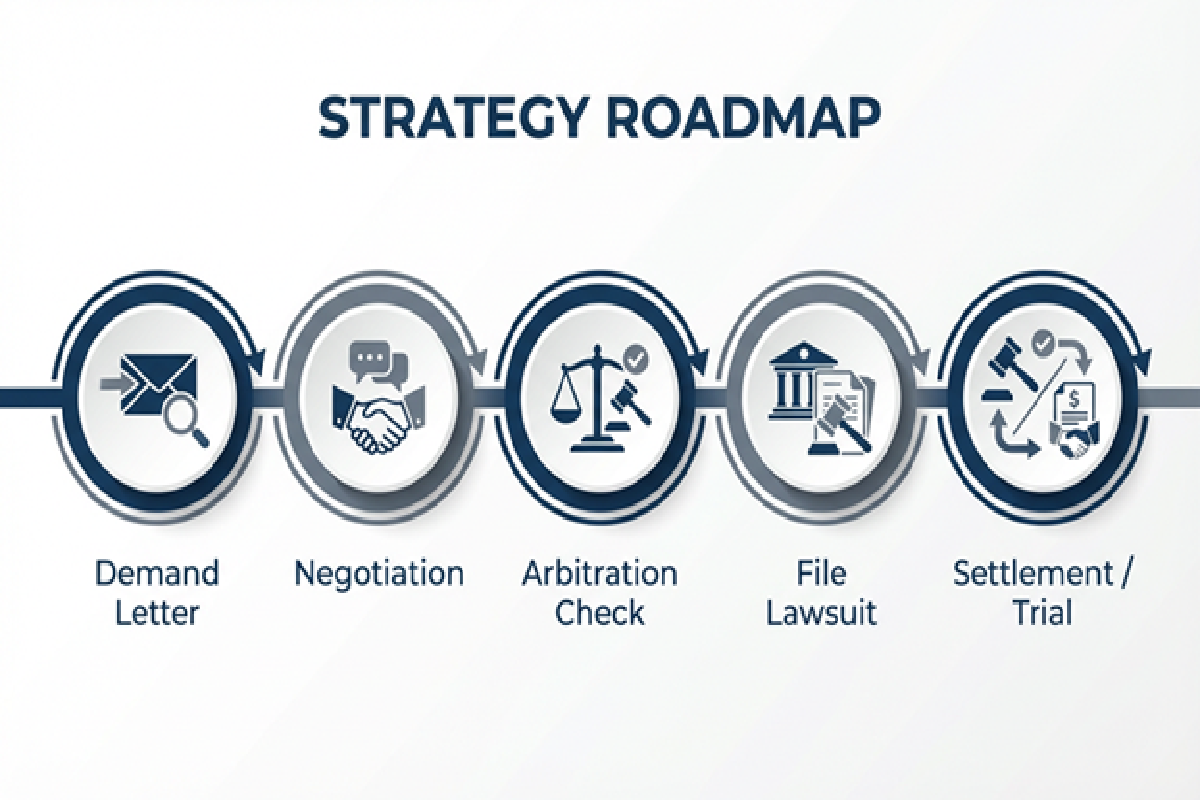
Question #12: What is your strategy and timeline—demand letter, negotiations, manufacturer arbitration vs filing suit, using Magnuson-Moss if needed, and trial readiness?
I ask for a playbook: demand letter first, then negotiations; skip arbitration if it’s toothless; file suit if the manufacturer stonewalls. Trial-readiness often drives settlement.
Money math: refunds, fees, and costs
Let’s talk dollars before signatures.
Question #8: How will a refund be calculated, including the mileage/usage offset, negative equity, add-ons, taxes, registration, and incidental damages like towing or rentals?
I ask for a worksheet up front. If a firm can’t model the mileage offset and incidentals, I worry about their negotiation chops. I’ve found consumer-facing calculators at sites like Refund Your Lemon helpful for a first pass.
Mileage/usage offset
I want the formula, the mileage used, and the trigger date anchored to the first manifestation of the defect.
Negative equity and add-ons
Tint, service contracts, GAP—will they be refunded? How will negative equity be handled in a repurchase?
Incidental damages and taxes
Towing, rentals, registration, and taxes should be part of the conversation, not an afterthought.
Question #10: How do your attorney’s fees work in California lemon cases, who pays under fee-shifting rules, and will you take any portion of my refund?
Under fee-shifting, the manufacturer typically pays reasonable attorney’s fees if you prevail. I confirm whether the firm ever takes a cut of my vehicle refund in addition to fee-shifting. For benchmarking and backgrounds, I sometimes skim directories like Super Lawyers’ California lemon listings.
Question #11: Which case costs (filing, experts, records) do you advance, and am I responsible for them if we don’t win or if I end the engagement?
I need clarity on costs in loss scenarios and in midstream disengagement. I’ve seen excellent transparency—and, occasionally, costly fine print.
Civil penalties for willful violations
Sometimes the manufacturer crosses a line.
Question #9: Can I recover civil penalties for a willful violation in California, and how are they calculated and proven?
I push for specifics: what evidence shows willfulness—internal bulletins, repeated denials, dishonest repairs? A strong lemon law attorney can explain when civil penalties multiply compensation and when they’re unlikely. Primer resources like LemonLaws.com cover the concept, but your facts carry the day.
Modifications, accidents, and missed maintenance
Manufacturers love alternative-cause defenses. I prepare my file accordingly.
Question #14: Will aftermarket modifications, prior accidents, missed maintenance, or third-party repairs hurt my claim, and how do you address those defenses?
I want the firm’s plan to separate my substantial defect from any unrelated add-ons or events—especially on performance models from BMW or Mercedes.
Aftermarket and accidents
If I added wheels or a tune, I ask counsel to document why the defective vehicle’s issue—say, a transmission shudder—wasn’t caused by those changes or a minor fender-bender.
Third-party repairs and missed maintenance
If I used a non-dealer repair shop for an oil change, I want the lawyer’s narrative and proof that the core defect predates any deviation.
Settlement logistics beyond the headline number
This is where excellent legal representation earns its keep.
Question #15: How are loan payoff, title/DMV issues, vehicle return logistics, confidentiality terms, and potential tax implications handled at settlement?
I ask who coordinates loan payoff with the lender, how the DMV paperwork is handled, and where I drop a lemon vehicle that won’t start. I’ve even asked whether confidentiality would bar me from leaving a factual note on Yelp to help other owners. If I’m considering a replacement vehicle for a finicky Mini Cooper, I want delivery timing, feature parity, and any new warranty terms in writing.
For broad background on claimant rights and consumer protection trends, I sometimes scan statewide resources such as The Lemon Law Attorneys’ California page alongside practitioner sites that outline practical steps. I’ve also kept an eye on national commentary when comparing state-by-state nuances via Lemon Law Protector.
A few hard-won lessons from the field
I once helped a neighbor, Marlo from San Diego, navigate a gnarly stalling issue on a certified pre-owned crossover. After three tow trucks, two software flashes, and a fuel pump, the manufacturer finally conceded on buyback. What moved the needle? A meticulous log, a calm tone, and a California lemon law lawyer who knew the difference between a courtesy fix and a statutory remedy. Another case—an early-build luxury SUV under active warranty—turned on reasonable repair attempts and a clear safety risk. The through-line: strong records, a precise theory, and counsel who speaks statute, not slogans.
Quick reference: questions that surface edge cases
- Do California laws cover a demonstration vehicle sold as new?
- How do rules shift for a lemon RV used for personal use vs business?
- Does Magnuson-Moss add leverage if the manufacturer warranty terms complicate Song-Beverly?
- Are there special considerations for service members in the U.S. Armed Forces purchasing outside California but garaging here?
- How does a California lemon law lawyer approach mixed-use vehicles where personal use overlaps with rideshare income?
Where I start my research before calling counsel
I’ll often skim practitioner explainers first, then interview two or three firms. I’ve found fast, plain-language summaries, balanced long-form guides, and even firm blogs that trace litigation trends. Once I’ve grounded myself, the free consultation becomes a targeted case review, not a fishing expedition.
Statistical Data: *California* Lemon Law outcomes and timelines (indicative)
- Average repair attempts before claim is filed: 3–4
- Median days out of service for qualifying defects: 25–30 days
- Distribution of outcomes (buyback/repurchase vs replacement vehicle vs cash-and-keep): 65% / 10% / 25%
- Typical fee-shift recovery rate when plaintiffs prevail: ~90%
- Median timeline from demand to settlement in litigated cases: 4–7 months
- Incidental expense reimbursement frequency (towing/rentals): ~70%
- Share of claims involving used vehicle or certified pre-owned: ~35%
Sources: Aggregated practitioner reports, firm disclosures, and published California court filings; figures are estimates for educational purposes.