
Contents of this Post
ToggleSweepstakes gaming was entering 2026 in the midst of a rapidly changing landscape of state-by-state regulations. The term “sweepstakes ban” hides a key distinction, however: while some state laws prohibit dual-currency products that simulate casino-style gaming, Indiana specifically excludes peer-to-peer skill-based poker games from its definition of a prohibited sweepstakes game.
Therefore, the mere label will not tell you if your product is permitted. In addition to focusing on issues such as what constitutes consideration; how much money is being awarded for prizes; how structured the games are; where players reside; and how operators are conducting themselves, states have been treating promotional sweepstakes; free-play social poker; regulated real-money poker; and offshore poker as distinct categories.
It’s Not About the Name—It’s About How the Business Works
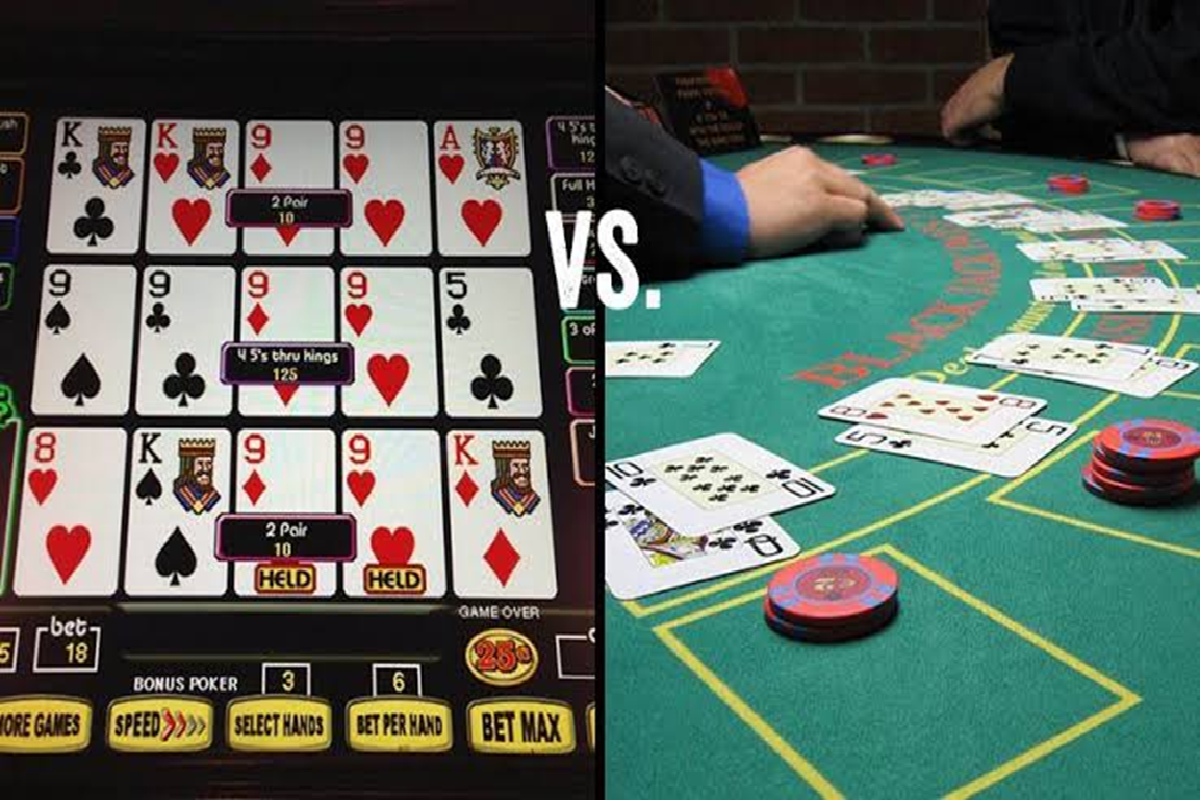
There are many different ways to organize poker games. Video poker is house banked: the player plays against the house (the casino). Peer-to-peer poker allows players to play each other while the platform manages the table. Social poker uses “chips” that have no redeemable value. Sweepstakes poker uses “promotional currency” tied to possible prize wins.
Although these formats might look similar from a mobile phone perspective, there are four key factors to determine if they are legally considered to be either social poker or sweepstakes poker:
1) Is the currency being purchased? Awarded? Offered free?
2) Can the currency be redeemed for cash or prizes?
3) Are you competing against the house? Or other players?
4) Has your state law exempted this game?
Indiana Narrowed a Poker Exemption
Indiana’s House Enrolled Act 1052 was enacted into law (Public Law 153) after Governor Mike Braun signed it on March 12, 2026.
The Indiana Gaming Commission has authority to assess a $100,000 fine against an operator or individual who engages in a prohibited sweepstakes game within the state of Indiana or where at least one participant is in Indiana.
The narrow exception modifies the broad definitions provided in the statute but does not provide a license for a generally available online poker service nor endorse any specific operators.
The Indiana carve-out also should not be confused with the legal status of offshore real-money poker rooms such as Bovada. It uses a real-money model rather than the dual-currency sweepstakes model addressed by HEA 1052. Therefore, Indiana’s exclusion of peer-to-peer skill-based poker from the definition of a prohibited sweepstakes game should not be interpreted as state authorization for offshore or other unlicensed online poker platforms.
Maine’s Dual-Currency Law Does Not Carve Out Peer-to-Peer Poker
In an example of how language affects what is allowed, Maine’s 2026 law clearly illustrates this fact. On April 6, Governor Janet Mills signed Public Law Chapter 645 into law. The law, which took effect on July 29, 2026, prohibits covered online sweepstakes games that use a dual-currency system and simulate casino-style gaming, including poker and other table games.
Notably, unlike Indiana’s statutory language, Maine’s statutory language has no peer-to-peer skill based poker carved out; therefore operating, promoting or supporting a covered game may result in a fine of $10,000 up to $100,000. These fines will be placed into Maine’s Gambling Addiction Prevention and Treatment Fund.
Additionally, Maine provides for license revocation and/or future licensure ineligibility as additional consequence to those who violate the rules of covered games. Indiana divides its definitions regarding peer competition from house simulation. Therefore while Indiana would provide a different legal answer than Maine for sweepstakes games based upon identical mechanics, it may still allow such games in the state.
Enforcing Availability May Be Easier Than Passing Laws
On June 6, 2025, AG Letitia James, along with the NYS Gaming Commission, issued a joint press release identifying 26 different online platforms providing either casino-style games or sports wagering with virtual coins that are convertible into cash or other prizes. Among those listed was Global Poker. Following issuance of cease-and-desist orders by AG’s office and the NYSGC, each of these platforms ceased accepting payment for their sweepstakes coins in New York.
These agencies enforced compliance under existing law. For example, risk-based contests where players wager (or “risk”) something of monetary value (whether real or virtual) against chance is generally considered gambling, regardless if such wager is made using virtual coins that can be redeemed for cash or prizes.
As an additional layer beyond statutory language regarding what constitutes “gambling,” there exist three further layers that can limit the availability of specific poker products. These include:
- Actions taken by a state attorney general
- Compliance requirements imposed by a state gaming commission
- Decisions rendered by courts, including both appellate and trial courts
Prior to relying upon a particular poker product as being available in your area, it is recommended you verify the following items:
- Check the current rules governing play from the player’s home location.
- Determine if the platform utilizes redeemable promotional credits or otherwise considers them as such.
- Determine if the poker product utilized is peer-to-peer (players compete directly), versus house-banked (the poker site itself operates as banker).
- Review the operator’s listing of states from which they will accept wagers, as well as their terms for redemptions of promotional credits.
- Verify whether or not a state regulatory agency has licensed, or otherwise cautioned, about playing at this same platform.