
Contents of this Post
TogglePosting online has become part of everyday life. Whether you’re sharing opinions, reacting to trends, or commenting on someone’s post, it all happens in seconds. But what many people forget is that every post carries consequences.
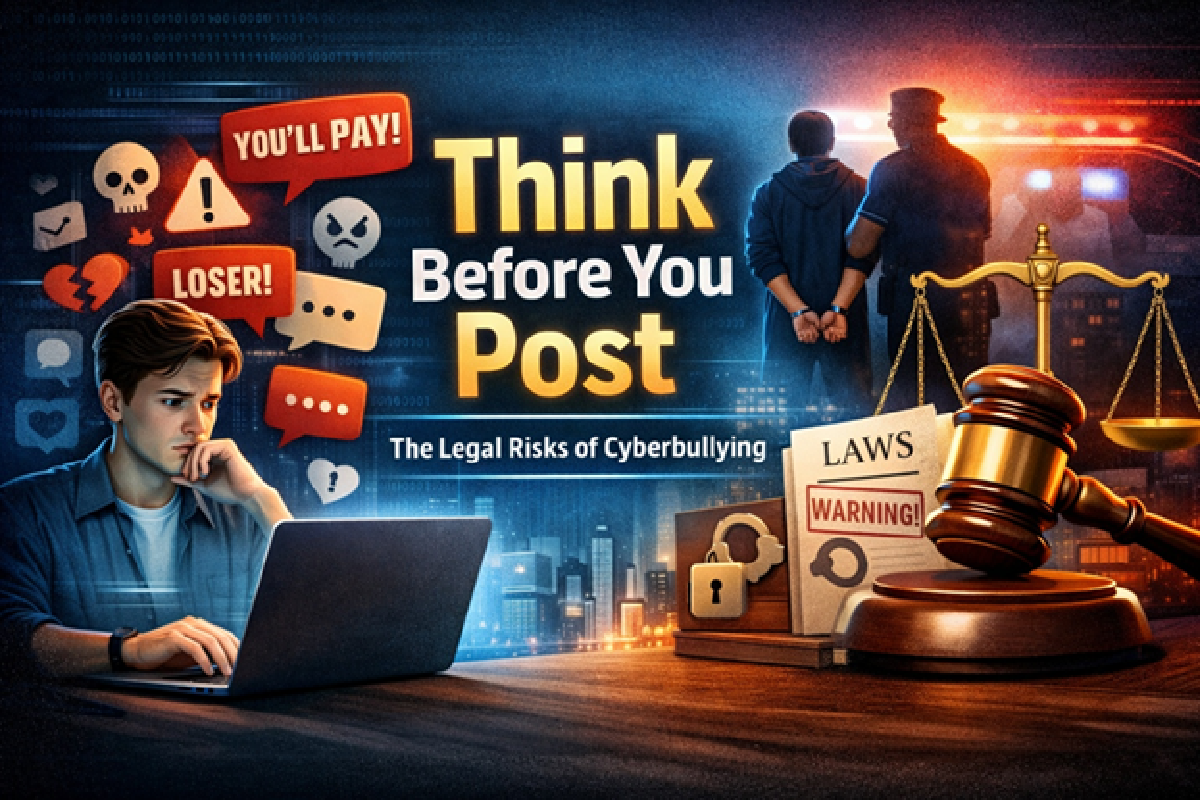
What seems like a harmless joke or a quick emotional reaction can quickly turn into something serious. Cyberbullying is no longer just a social issue—it is a legal one. A single comment, message, or post can lead to penalties, damaged reputations, or even legal action.
That’s why one simple habit can protect you: think before you post.
In the same way that smart decisions improve your outcomes in gaming—like using GameZone Rebate Boost, a system that gives players daily rebates and rewards based on their gameplay activity—making thoughtful choices online ensures better results and fewer risks.
What Is Cyberbullying?
Cyberbullying is the act of using digital platforms to harm, harass, or embarrass others. It can happen on social media, messaging apps, forums, or even gaming platforms.
Common examples include:
- Posting offensive or insulting comments
- Sharing private content without consent
- Spreading rumors or false information
- Sending repeated threatening messages
Unlike traditional bullying, cyberbullying spreads faster and stays longer. Once something is posted, it can be shared, saved, and revisited—making its impact more damaging.
Why Cyberbullying Is a Legal Risk
Many people assume that online behavior is less serious because it happens behind a screen. But laws apply just as strongly online as they do offline.
- Harassment
Repeated harmful messages or actions can be considered harassment, which may lead to fines or legal charges.
- Defamation
Sharing false information that harms someone’s reputation can result in lawsuits—even if it was not intended to cause harm.
- Privacy Violations
Posting someone’s personal information, photos, or messages without permission can lead to legal consequences.
- Threats and Intimidation
Online threats are taken seriously and can result in criminal penalties.
The key point is simple: your online actions are not invisible, and they are not without consequences.
The Real Impact of Cyberbullying
Cyberbullying doesn’t just affect emotions—it can have lasting consequences for everyone involved.
For Victims:
- Emotional stress and anxiety
- Loss of confidence
- Mental health struggles
- Social isolation
For Offenders:
- Legal penalties
- Fines or lawsuits
- School or workplace consequences
- Permanent damage to reputation
A single post can follow you for years, affecting opportunities and relationships.
Why People Still Do It
Despite the risks, cyberbullying continues to happen. Why?
- It feels anonymous
- It happens instantly
- People act on emotion
- Online negativity is sometimes normalized
However, digital footprints are real. Everything you post can be traced, stored, and used as evidence if necessary.
Think Before You Post: A Simple but Powerful Habit
Before posting anything online, pause and ask yourself:
- Is this respectful?
- Is it true?
- Could this hurt someone?
- Would I say this in person?
If the answer is uncertain, it’s better not to post.
This simple habit can protect you from serious consequences.
Learning from Smart Systems Like GameZone Rebate Boost
In gaming, success often comes from making smart and consistent choices. The same idea applies online.
Take GameZone Rebate Boost as an example. It’s a system that gives players daily rebates and rewards based on their gameplay activity. Instead of relying purely on luck, players benefit from consistency and smart engagement.
This approach teaches an important lesson:
- Smart actions lead to better outcomes
- Consistency brings rewards
- Awareness prevents losses
Just like in gaming, your online behavior should be intentional and thoughtful.
Building Positive Online Behavior
The internet can be a positive space if people choose to use it responsibly.
Here are simple ways to improve your online presence:
- Encourage instead of criticizing
- Share helpful and accurate information
- Avoid engaging in toxic discussions
- Report harmful content
These actions not only protect others but also protect you.
Why Awareness Is Important
Understanding the legal risks of cyberbullying helps you make better decisions.
Awareness allows you to:
- Recognize harmful behavior
- Avoid legal trouble
- Build a positive reputation
- Create safer online spaces
Being informed is your best defense.
A Smarter Way to Engage Online
Just like players use GameZone Rebate Boost to maximize their gaming experience and earn rewards through consistent activity, you can apply the same mindset online.
When you:
- Think before posting
- Stay respectful
- Make responsible choices
You avoid risks and create better outcomes.
Final Thoughts
The internet gives you a voice—but it also holds you accountable for how you use it.
Cyberbullying is not just a mistake; it can become a legal issue with serious consequences. A single post can impact your reputation, your opportunities, and your future.
So before you hit “post,” take a moment.
Think carefully. Choose wisely. Act responsibly.
Because just like in gaming—where systems like GameZone Rebate Boost reward smart and consistent behavior—your choices online determine your outcomes.
Make them count.
Frequently Asked Questions (FAQs)
- Is cyberbullying considered a crime?
Yes, it can fall under harassment, defamation, or privacy laws depending on the situation.
- Can I get in trouble for posting online?
Yes, harmful or false content can lead to legal consequences.
- What should I do if I experience cyberbullying?
Save evidence, report the behavior, and seek help from trusted authorities.
- How can I avoid cyberbullying others?
Think before posting, respect others, and avoid sharing harmful content.
- Why is responsible online behavior important?
It protects your reputation, prevents legal issues, and creates a safer digital environment.