
Contents of this Post
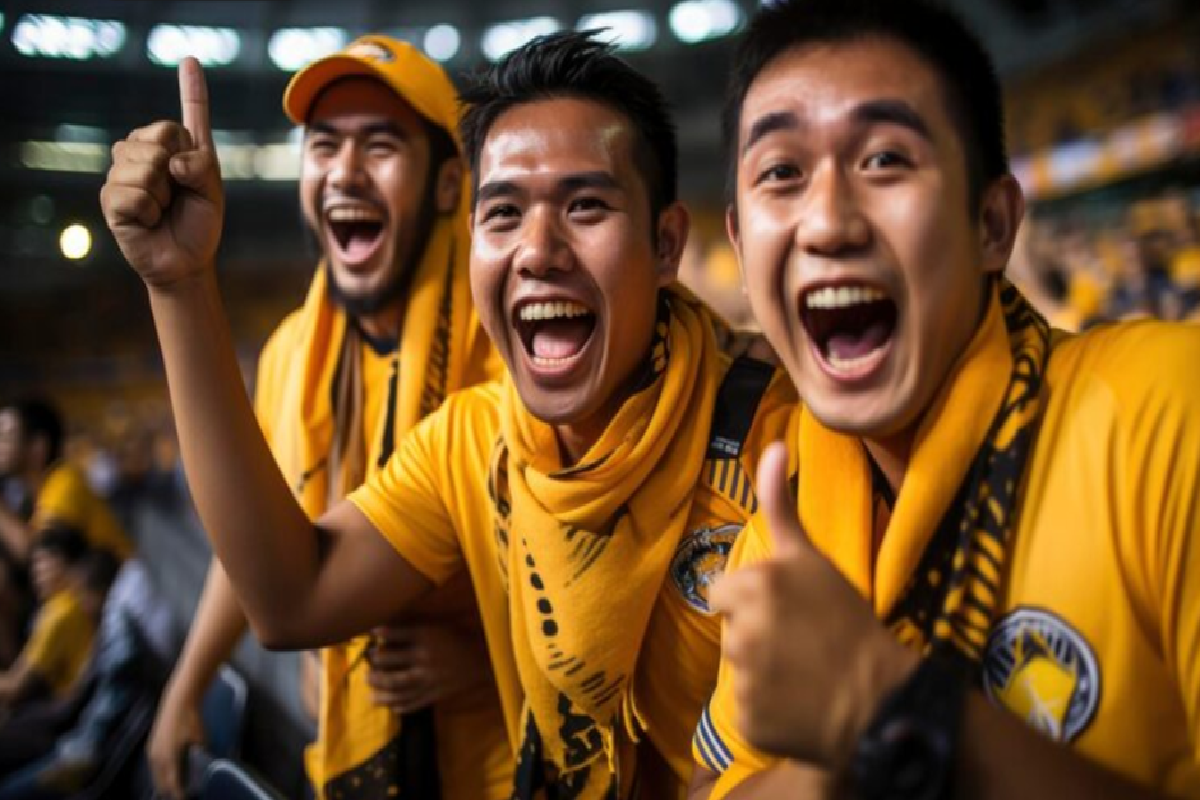
ToggleMalaysian football can consist of many things. There can be love for the country and its people, but also competition between states and groups that attend football well into the night. Supporters of the Malaysian football clubs support their own clubs but also keep an eye on the larger English clubs. A game featuring the Harimau Malaya can turn the national stadium in Bukit Jalil into a full stadium. All of these can contribute to an understanding of the identity of Malaysian football.
Why Harimau Malaya Still Matters Across Malaysia
Malaysia’s national football squad has been around much longer than most of its regional tournament successes. The significance of Harimau Malaya really started to grow in the strong years of the 1970s. Interest in that history also reaches sports betting, where online betting gives fans another way to follow major football events. Betting can make matches more engaging because supporters pay closer attention to form, results, and team performance. In the early part of the decade, Malaysia qualified for the 1972 Munich Olympics and finished third at the 1974 Asian Games. Malaysia had also qualified for the 1980 Olympics; however, Malaysia then chose to boycott the Olympic Games in Moscow.
There is one player who is often cited as the driving force behind this generation of Malaysian players that achieved so much for their country. Mokhtar Dahari (aka SuperMokh) was one of the top forwards during this successful period and is still regarded by many in Malaysia as a legend. In 2010, over 20 years after losing a semi-final in the AFF Suzuki Cup (AFF) Championship, Malaysia won the AFF. This brought some regional pride back to Malaysia and provided another generation of young fans with something to be proud of.
Clubs That Define Malaysia’s Domestic Football
The Malaysia Super League sits at the top of the domestic pyramid. Its competitive balance has changed considerably during JDT’s rise over the past decade. Several clubs still carry different histories, identities, and expectations among their supporters. Three names and rivalries explain much of the modern landscape:
- Johor Darul Ta’zim: Private investment and elite facilities transformed JDT into Malaysia’s dominant modern club.
- Selangor FC: The historic powerhouse built its reputation through sustained success, particularly in the Malaysia Cup.
- JDT versus Selangor: Their meetings connect JDT’s recent dominance with Selangor’s long-established football tradition.
That contrast gives domestic football more depth than league positions alone suggest. Club loyalties often reflect state identity, making important fixtures deeply regional occasions.
Where Malaysian Football Culture Becomes Most Visible
Results explain only part of football’s place within Malaysian society. Stadium behavior, organized fan groups and international viewing habits reveal another side. Supporters can follow European football weekly without weakening their attachment to local teams. This wider entertainment culture also includes casino platforms, where an online casino offers another option between major matches. Casino games provide flexible entertainment because users can choose different formats whenever they have free time. That balance becomes particularly clear through fan culture and matchday venues.
Ultras Malaya and the Support Behind the National Team
Ultras Malaya emerged in 2007 and developed into an organized national supporters’ movement. Its members bring coordinated chants, drums, banners and large displays to international matches. State-based groups also developed distinct identities within Malaysia’s wider supporter culture. The national team’s active section is commonly associated with the Curva and Gate H.
Songs also give Malaysian matchdays a recognizable local character. Warisan, associated with celebrated singer Sudirman, became particularly familiar among national-team supporters. Indonesia provides the strongest regional rivalry through the intense Nusantara derby. Those matches combine sporting competition with neighboring countries carrying closely connected histories.
Stadiums Give Different Sides of the Game Their Own Home
The largest stage for Harimau Malaya is the Bukit Jalil National Stadium in Kuala Lumpur. The stadium is large and can accommodate over 87,000 people. The major international matches held at the stadium make it very difficult to recreate the atmosphere experienced at domestic league matches. Also, due to the size of the stadium, any major match involving the national teams feels like something outside of normal football.
In contrast, JDT has the purpose-built Sultan Ibrahim Stadium in Johor Bahru. This stadium represents JDT’s commitment to professionalism and modernity. The stadium provides JDT with a modern, football-specific stadium that reflects the ambitions the club has outside of Malaysia. Both stadiums highlight the differences between national and club football.
Why English and Malaysian Football Thrive Together
Malaysian support for English football does not usually require fans to choose between European and English football. There are a large number of fans of English Premier League football, such as Arsenal, Manchester United and Liverpool, in Malaysia as well as in England. Fans often attend games in mamak restaurants and similar meeting places where people congregate well into the night. Due to the large number of English-language media in Malaysia and the strong links to Britain, there has been a longstanding support for English football among Malaysians.
Domestic football has a vastly different role in relation to the fan socially and emotionally. For fans who normally support teams from other states, there can be a strong sense of unity behind Harimau Malaya. Domestic cup competitions provide a great deal of information regarding identity for Selangor, Johor, etc. European football tends to create very devoted fans. Domestic football tends to create fans who feel they are playing for themselves.
A Football Culture Built Around More Than One Loyalty
There is much variety of loyalty in Malaysian football. A fan can be a member of Anfield every weekend whilst also supporting his local club, Selangor, and representing Harimau Malaya in international competitions. The arrival of JDT as the dominant club has created another level of loyalty within the country. This has allowed football to make connections to individual, regional, and social lives across the country.